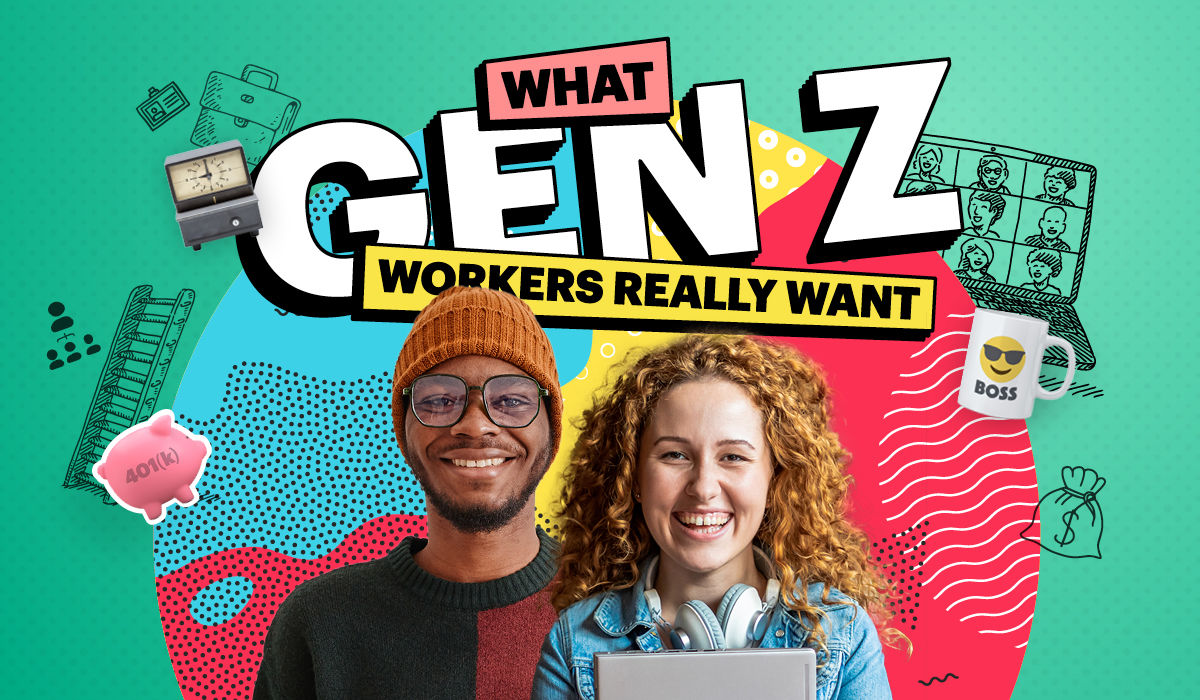
Gen Z at Work: What They Want (And What You’re Getting Wrong)
The workplace landscape has seen drastic changes over the past decade. With the rise of Gen Z, the generation born roughly between 1997 and 2012, many businesses are struggling to adapt to their distinct approach to work. In 2026, it’s clear that these young workers are not only shaking up office culture but are also demanding more than their predecessors. As businesses continue to navigate how to retain and engage Gen Z employees, it’s essential to understand what they truly want, and, just as importantly, what employers are getting wrong.
What Gen Z Wants
- Meaningful Work and Career Progression
For Gen Z, it’s not about the paycheck (though fair compensation is important); it’s about the work itself. This generation places a high value on meaning and purpose in their careers. According to recent studies, 80% of Gen Z employees prefer to work for companies that align with their values. They want to contribute to something bigger than just making a profit, whether it’s environmental sustainability, social justice, or innovation.
Gen Z also demands clear career progression. They want skill-building opportunities and the chance to take lateral moves within organizations to diversify their experience. In fact, 75% of them are more likely to pursue lateral career moves compared to their Millennial counterparts. Unlike older generations, they’re not waiting for traditional hierarchical promotions; instead, they crave versatility and constant growth.
- Regular, Actionable Feedback
Gone are the days of the annual performance review. Gen Z has grown up with instant access to feedback, thanks to social media and real-time communication platforms. As a result, they expect regular, actionable feedback in the workplace. They’re eager to learn and grow, but they need more than just a yearly evaluation to do so. Regular check-ins, ongoing mentoring, and actionable guidance are all essential components for keeping them engaged.
- Work-Life Balance and Flexibility
The traditional 9-to-5 workday is fast becoming a relic of the past, especially for Gen Z. More than any previous generation, they prioritize flexibility in their work schedules. Whether it’s the ability to work remotely, adjust their hours, or manage their workload in a way that suits their personal life, Gen Z values the freedom to design their workdays. In fact, offering flexible hours, mental health support, and remote work options are essential for retaining these workers.
What Employers Are Getting Wrong
- Labeling Them as Lazy or Entitled
One of the most common misconceptions about Gen Z is that they are lazy or entitled. This stereotype stems from the younger generation’s focus on efficiency and work-life balance, which can be misunderstood as a lack of dedication. However, Gen Z is actually incredibly results-driven and tech-savvy. They leverage AI and instant information access to complete tasks efficiently and with greater accuracy. They’re not avoiding hard work; they’re simply working smarter, not harder.
- Overemphasis on Perks Instead of Growth Opportunities
Traditional perks, like free snacks or fancy offices, aren’t enough to keep Gen Z satisfied. They’re not looking for superficial benefits; they want to know how they can grow and develop in their roles. If employers focus too much on perks and fail to provide opportunities for learning and advancement, they risk alienating these high-ambition employees. Gen Z employees want to see a clear path for advancement and the chance to gain new skills, not just a stack of perks.
- Ignoring Their Desire for Transparency and Purpose
Gen Z is the most transparent and socially aware generation to date. They expect their employers to be transparent about company decisions, the impacts of their work, and how their personal contributions tie into the organization’s larger goals. They want to work for companies that take a stand on social and environmental issues and provide purpose-driven roles that align with their personal values. Failure to meet these expectations can lead to disengagement and high turnover rates.
How Employers Can Adapt
- Embrace Flexibility and Transparency
Offer a flexible work environment, whether it’s remote options, flexible hours, or the ability to design their own workdays. Gen Z is seeking transparency in all aspects of their employment, from company goals to pay structures. Open, honest communication builds trust and enhances employee retention.
- Focus on Development, Not Just Perks
Provide regular opportunities for skill-building and career progression. Gen Z wants to feel that they’re advancing, not just working. Consider offering mentorship programs, cross-departmental projects, and leadership training to keep them engaged. Additionally, companies should rethink how they measure performance—regular, real-time feedback is more beneficial than a once-a-year review.
- Cultivate a Purpose-Driven Culture
Foster a company culture that prioritizes purpose and aligns with Gen Z’s values. This includes social and environmental responsibility, diversity and inclusion, and a strong sense of community. Companies that prioritize these values are more likely to attract and retain top Gen Z talent.
Frequently Asked Questions
Q1: What is the most important factor for Gen Z when considering a job?
A1: Gen Z places a high priority on meaningful work and career progression. They seek opportunities where they can contribute to something larger than themselves, whether that’s through social impact or personal growth.
Q2: How can employers avoid the misconception that Gen Z is lazy?
A2: Employers should recognize that Gen Z values efficiency and works smarter, not harder. They are results-driven and use technology to improve productivity. Employers should focus on recognizing their contributions and providing growth opportunities.
Q3: What kind of work environment does Gen Z prefer?
A3: Gen Z prefers a flexible work environment that offers work-life balance, remote work options, and mental health support. They also thrive in transparent, purpose-driven cultures where their values align with the company’s mission.