tpc_admin January 12, 2026 No Comments

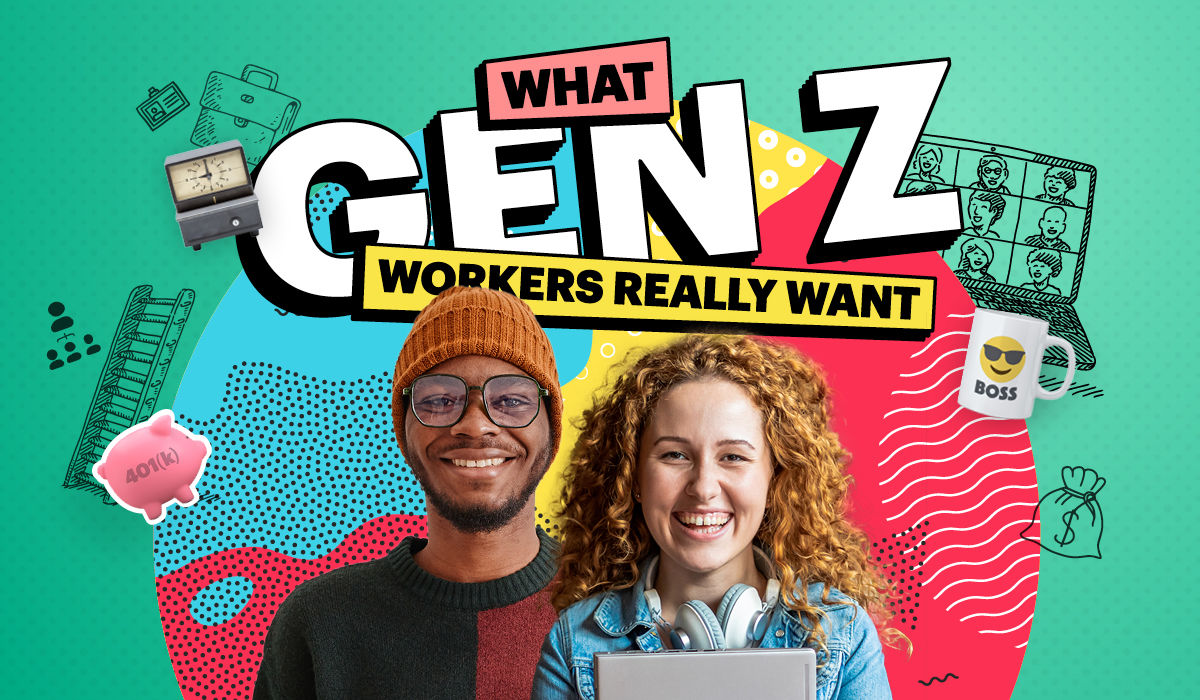
Gen Z at Work: What They Want (And What You’re Getting Wrong)

The workplace landscape has seen drastic changes over the past decade. With the rise of Gen Z, the generation born roughly between 1997 and 2012, many businesses are struggling to adapt to their distinct approach to work. In 2026, it’s clear that these young workers are not only shaking up office culture but are also demanding more than their predecessors. As businesses continue to navigate how to retain and engage Gen Z employees, it’s essential to understand what they truly want, and, just as importantly, what employers are getting wrong. What Gen Z Wants Meaningful Work and Career Progression For Gen Z, it’s not about the paycheck (though fair compensation is important); it’s about the work itself. This generation places a high value on meaning and purpose in their careers. According to recent studies, 80% of Gen Z employees prefer to work for companies that align with their values. They want to contribute to something bigger than just making a profit, whether it’s environmental sustainability, social justice, or innovation. Gen Z also demands clear career progression. They want skill-building opportunities and the chance to take lateral moves within organizations to diversify their experience. In fact, 75% of them are more likely to pursue lateral career moves compared to their Millennial counterparts. Unlike older generations, they’re not waiting for traditional hierarchical promotions; instead, they crave versatility and constant growth. Regular, Actionable Feedback Gone are the days of the annual performance review. Gen Z has grown up with instant access to feedback, thanks to social media and real-time communication platforms. As a result, they expect regular, actionable feedback in the workplace. They’re eager to learn and grow, but they need more than just a yearly evaluation to do so. Regular check-ins, ongoing mentoring, and actionable guidance are all essential components for keeping them engaged. Work-Life Balance and Flexibility The traditional 9-to-5 workday is fast becoming a relic of the past, especially for Gen Z. More than any previous generation, they prioritize flexibility in their work schedules. Whether it’s the ability to work remotely, adjust their hours, or manage their workload in a way that suits their personal life, Gen Z values the freedom to design their workdays. In fact, offering flexible hours, mental health support, and remote work options are essential for retaining these workers. What Employers Are Getting Wrong Labeling Them as Lazy or Entitled One of the most common misconceptions about Gen Z is that they are lazy or entitled. This stereotype stems from the younger generation’s focus on efficiency and work-life balance, which can be misunderstood as a lack of dedication. However, Gen Z is actually incredibly results-driven and tech-savvy. They leverage AI and instant information access to complete tasks efficiently and with greater accuracy. They’re not avoiding hard work; they’re simply working smarter, not harder. Overemphasis on Perks Instead of Growth Opportunities Traditional perks, like free snacks or fancy offices, aren’t enough to keep Gen Z satisfied. They’re not looking for superficial benefits; they want to know how they can grow and develop in their roles. If employers focus too much on perks and fail to provide opportunities for learning and advancement, they risk alienating these high-ambition employees. Gen Z employees want to see a clear path for advancement and the chance to gain new skills, not just a stack of perks. Ignoring Their Desire for Transparency and Purpose Gen Z is the most transparent and socially aware generation to date. They expect their employers to be transparent about company decisions, the impacts of their work, and how their personal contributions tie into the organization’s larger goals. They want to work for companies that take a stand on social and environmental issues and provide purpose-driven roles that align with their personal values. Failure to meet these expectations can lead to disengagement and high turnover rates. How Employers Can Adapt Embrace Flexibility and Transparency Offer a flexible work environment, whether it’s remote options, flexible hours, or the ability to design their own workdays. Gen Z is seeking transparency in all aspects of their employment, from company goals to pay structures. Open, honest communication builds trust and enhances employee retention. Focus on Development, Not Just Perks Provide regular opportunities for skill-building and career progression. Gen Z wants to feel that they’re advancing, not just working. Consider offering mentorship programs, cross-departmental projects, and leadership training to keep them engaged. Additionally, companies should rethink how they measure performance—regular, real-time feedback is more beneficial than a once-a-year review. Cultivate a Purpose-Driven Culture Foster a company culture that prioritizes purpose and aligns with Gen Z’s values. This includes social and environmental responsibility, diversity and inclusion, and a strong sense of community. Companies that prioritize these values are more likely to attract and retain top Gen Z talent. Frequently Asked Questions Q1: What is the most important factor for Gen Z when considering a job? A1: Gen Z places a high priority on meaningful work and career progression. They seek opportunities where they can contribute to something larger than themselves, whether that’s through social impact or personal growth. Q2: How can employers avoid the misconception that Gen Z is lazy? A2: Employers should recognize that Gen Z values efficiency and works smarter, not harder. They are results-driven and use technology to improve productivity. Employers should focus on recognizing their contributions and providing growth opportunities. Q3: What kind of work environment does Gen Z prefer? A3: Gen Z prefers a flexible work environment that offers work-life balance, remote work options, and mental health support. They also thrive in transparent, purpose-driven cultures where their values align with the company’s mission.  

New Year, New Workforce: Setting HR Goals That Actually Stick

“Resolutions fade. Strategies stick.” That’s our mantra at Talent Potential Consulting as we kick off 2026. If you’re setting HR goals this January, chances are you’re driven by genuine intentions—improving retention, supporting your people, automating your HR functions, or driving engagement. But here’s the challenge: How do you make these goals stick beyond the buzz of January? Let’s dive into how strategic HR leaders can move from vague intentions to measurable, transformative outcomes, using proven frameworks and real-world insights. Why Do Most HR Goals Fail by February? Because they’re either: Too generic: “We want to improve employee engagement.” Too vague: “Let’s upskill the team.” Too unrealistic: “We’ll cut attrition by 50% in 3 months.” Great goals aren’t just written down—they’re engineered for stickiness. That’s where the SMART framework steps in. SMART Goals: Your Sticky-Goal Superpower SMART = Specific, Measurable, Achievable, Relevant, Time-bound Here’s what that looks like in practice: “Improve retention” becomes “Reduce employee turnover by 15% year-over-year by implementing quarterly stay interviews, sentiment analysis using eNPS, and exit data by December 2026.” This isn’t just about numbers; it’s about building accountability, focus, and momentum. When your people know what they’re aiming for and why, performance follows. Align Goals with Strategic HR Priorities Your HR goals should never live in isolation. They need to echo the company’s OKRs and directly impact outcomes like profitability, innovation, and culture health. Here’s how to set goals that drive impact and engagement, using Talent Potential Consulting’s data-backed approach. Key Goal Areas for 2026 1. Talent Development Goal: Close two skill gaps per employee by Q3 through personalized IDPs and on-demand learning tools. Why it sticks: Focuses on measurable growth Boosts retention and succession planning Aligns with business performance outcomes Gamify learning with micro-certifications. Track skill gain vs. performance using productivity metrics like revenue per FTE. 2. Employee Engagement Goal: Achieve three or more peer recognitions per employee monthly, and raise engagement scores by 10% through monthly pulse surveys and actionable insights. Why it sticks: Engagement drives productivity and retention Peer recognition promotes a culture of feedback Survey insights offer real-time decision support Use eNPS as your early-warning radar. Combine qualitative comments with NPS to design your engagement roadmap. 3. Well-being and Retention Goal: Implement flexible scheduling adopted by 80% of employees and reduce burnout scores by 20% via workload optimization. Why it sticks: Well-being isn’t a perk—it’s a performance driver Flexibility improves DEI and employee satisfaction Burnout data connects to absenteeism and turnover Link your wellness strategy to business metrics like absenteeism rate and productivity loss to earn leadership buy-in. Implementation Blueprint: From Idea to Execution At Talent Potential Consulting, we believe the execution gap is where good goals go to die. Here’s how to make your plans execution-proof: Step 1: Start with Strong Writing Write down each goal using the SMART model. Include: Who owns it What defines success Why it matters to business Step 2: Build Milestones Break goals into five to ten micro-milestones. For example: Q1: Launch employee skills matrix Q2: Assign mentors and initiate skill plans Q3: Measure progress via L&D analytics Q4: Conduct capability review vs. business goals Step 3: Anticipate Obstacles Ask: What might delay progress? Which metrics could stall? What support is required? Build a risk log and prepare solutions in advance. Step 4: Run Quarterly Goal Reviews Review what’s working, what’s stalled, and what’s irrelevant now. Adjust without guilt—agility is better than perfection. Step 5: Celebrate Small Wins Recognition fuels progress. Celebrate: Early wins Peer leaders Culture champions People are more likely to stick with a goal if the journey feels rewarding. How to Tie Individual Goals to Company Strategy Goals must ladder up to company-wide OKRs. Here’s how: Run workshops connecting personal KPIs to business impact Use visual goal trees (Goal → Department → Individual) Communicate progress in town halls and team syncs TPC Pro Insight: When employees see how their work ties into the business’s “why,” engagement soars, and so does performance. Metrics Matter: Track What Transforms Use people analytics to validate progress. Key metrics to track in 2026 include: Turnover rate by department and tenure band Learning participation vs. skill gaps filled Time to fill and quality of hire eNPS and pulse scores Revenue per FTE Burnout risk scores Managerial span of control and team sentiment Tools like Visier or AI-based dashboards can turn overwhelming data into decision-driving insights. FAQs – Your Top Questions Answered Q1: How can I ensure my HR team actually follows through on goals? Answer: Break goals into smaller, weekly actions. Use project management tools like Asana or Trello. Make it part of your team’s rituals—weekly check-ins, dashboards, and team challenges. Q2: What’s the best way to get leadership buy-in for HR goals? Answer: Show how your HR goals impact revenue, retention, or risk mitigation. For example, reducing turnover = cost savings. Use data to tell stories that matter to the C-suite. Q3: My company struggles with employee engagement. Where should I begin? Answer: Start with listening. Run a baseline eNPS survey. Identify key themes—lack of growth, recognition, or flexibility—and build a quarterly plan with small, trackable wins.

tpc_admin December 28, 2025 No Comments

Future-Ready HR: Your 2026 Playbook

Remember when HR was all about filing paperwork and organizing team lunches? Yeah, those days are long gone. Welcome to 2026, where HR leaders are practically running the show—strategizing workforce transformation, wrestling with AI ethics, and basically becoming the backbone of business resilience. Buckle up, because this year’s trends are anything but boring. Let’s be honest, HR isn’t what it used to be 1. AI Integration is No Longer Optional Here’s the thing: AI isn’t coming to HR, it’s already here, sitting at your desk, probably doing a better job at resume screening than your caffeinated Monday-morning self. Companies are using AI to automate hiring, predict who’s about to quit (yes, really), and even customize learning paths based on how someone’s actually performing. But here’s the catch—you can’t just plug in AI and call it a day. The real magic happens when you balance automation with genuine human empathy. Nobody wants to be rejected by a robot that doesn’t understand context. Your 2026 Resolution: Pick one core HR function and integrate AI this year. But keep a human in the loop—always. Transparency isn’t optional. 2. Skills-First Strategy (Goodbye, Degree-Obsession) Plot twist: that fancy diploma on the wall? It’s not the golden ticket anymore. What matters now is what people can actually do, their real, demonstrable skills. This shift is creating workforces that are more diverse, agile, and frankly, way more interesting. Think about it: when you hire for skills instead of pedigree, you open doors for people who learned through experience, online courses, or just pure hustle. That’s the future. Your 2026 Resolution: Run a skills audit across your organization. Map what you have, what you need, and build a framework that actually aligns with where your business is heading. Employee Experience = Your Secret Weapon If you’re still doing annual engagement surveys, I have bad news for you: your employees filled them out while eating lunch and forgot about them immediately. Are the companies winning right now? They’re listening continuously, personalizing every touchpoint, and using sentiment analysis to actually understand what people need. Modern employees want seamless tech, psychological safety, and work that actually means something. Is that too much to ask? Not in 2026. Your 2026 Resolution: Ditch the annual survey. Invest in real-time experience tools and create feedback loops that actually close. Your employees will thank you. 4. Hybrid Work Gets a Humanity Upgrade Hot take: nobody cares about “hybrid” anymore. What they care about is feeling supported wherever they work—whether that’s their kitchen table, a co-working space, or the actual office (remember those?). It’s not about mandating three days in-office; it’s about building flexibility around outcomes, not hours logged. Your 2026 Resolution: Design your hybrid policy around results. Make sure remote workers don’t feel like second-class citizens. Inclusion matters everywhere. 5. People Analytics That Actually Do Something Dashboards are pretty. But you know what’s prettier? Data that tells you what’s going to happen next and what you should do about it. We’re moving from “here’s what happened last quarter” to “here’s who’s about to leave and here’s how to keep them.” Predictive attrition modeling, ROI on learning programs, workforce scenario planning—this is where the real power lives. Your 2026 Resolution: Build an analytics strategy that connects to real business outcomes. If your data isn’t driving decisions, it’s just noise. 6. Ethics in Tech: No More Excuses When AI is making hiring decisions and promotion recommendations, ethics can’t be an afterthought. You need fairness baked into every algorithm, transparency in every decision, and accountability when things go wrong (because they will). Your 2026 Resolution: Create an HR tech ethics charter. Vet every vendor, every platform, every tool for ethical integrity. No exceptions. Upskilling Isn’t a Program—It’s a Culture Continuous learning used to be a nice-to-have. Now? It’s survival. The companies thriving in 2026 are the ones offering micro-learning opportunities in the flow of work—not clunky training modules people dread. Your 2026 Resolution: Tie your learning investments directly to career mobility. Design programs that evolve with the market and with what people actually want to learn. 8. Well-Being Gets Personal (Finally) Free yoga classes are great, but they’re not going to help someone drowning in student debt or struggling with burnout. Forward-thinking companies are personalizing wellness—addressing mental health, financial stress, family challenges, whatever people actually need. Your 2026 Resolution: Offer customized support tied to real-life challenges. One-size-fits-all wellness is officially dead. 9. From Diversity to Belonging Representation is step one. But belonging? That’s the endgame. It’s not just about having diverse faces in the room—it’s about making sure everyone in that room feels safe, seen, and valued enough to bring their whole selves to work. Your 2026 Resolution: Measure belonging through engagement scores and turnover trends. Empower every leader to create psychological safety at every level. 10. HR as the Resilience Engine When chaos hits (and it always does), HR is now the function keeping everything together. You’re not just supporting change—you’re driving it, preparing for it, and making sure your organization can pivot without falling apart. Your 2026 Resolution: Get a seat at the strategy table. Build contingency plans for talent risks. Be ready for whatever comes next. Quick Reality Check: How Future-Ready Is Your HR? Which of these best describes your current approach to AI in HR? We’re actively using AI with human oversight → Nice! You’re already ahead of the curve. Just make sure that human oversight is real, not just on paper. We’re exploring but haven’t implemented yet → Good position to be in. Just don’t get stuck in exploration mode forever—2026 is the year to act. AI? What AI? We’re still on spreadsheets → Hey, honesty is the first step! Time to shake things up. Start small—even one AI tool can make a difference. The Bottom Line: HR Has Left the Building (and It’s Better For It) Look, 2026 isn’t about adopting shiny new tools just because everyone else is. It’s about fundamentally rethinking what HR can be: futurist, data translator, culture

tpc_admin December 22, 2025 No Comments

HR Technology Trends 2026: What’s Hot & What’s Here to Stay

As we move into 2026, the HR landscape is undergoing a fundamental transformation. The role of HR has evolved from being a support function to becoming a strategic partner in driving business outcomes. At the heart of this change? Technology. AI-powered automation, skills-first strategies, and hyper-personalized employee experiences are no longer emerging trends — they are defining the future of work. This blog unpacks the key HR technology trends for 2026 — what’s gaining momentum, what’s here to stay, and what leaders like you need to prioritize to stay ahead of the curve. What’s Hot in HR Tech for 2026 1. AI-Powered Transformation AI is reshaping every layer of HR — not just by automating tasks, but by adding intelligence to decision-making. Smart AI agents now streamline recruitment, candidate screening, and HR analytics, reducing administrative time by up to 70%. AI isn’t just about speed — it’s also about precision: Predictive tools are forecasting attrition with 85% accuracy. Generative AI is creating role-specific learning paths and handling compliance documentation. But adoption must be intentional. Ethical governance, transparency, and bias mitigation are key to responsible AI use. HR leaders are evolving into AI strategists, with up to 40% of budgets now directed toward intelligent tools. Skills Over Degrees: A Shift in Hiring Strategy In 2026, job descriptions are being rewritten — not by AI, but by shifting mindsets. Skills-first hiring is taking precedence over traditional degree-based recruitment. The result? Talent pools have expanded 10x, and the quality of hires has improved by 20%. Key enablers include: Internal talent marketplaces that match employees to internal roles based on capabilities. Microlearning platforms offering VR and AR-based training tailored to each job function. Continuous skill audits and upskilling frameworks that evolve with industry needs. This trend is also fueling internal mobility, making organizations more agile in the face of rapid change. 3. Hyper-Personalized Employee Experiences Employees expect the same level of personalization at work that they experience in consumer apps. In response, companies are leveraging data and tech to offer tailored onboarding, communication, and benefits. Results are clear: Employee engagement has increased by up to 25%. Retention rates are up by 20% when experiences feel individual, not institutional. Predictive analytics are being used to forecast performance and detect burnout, while well-being tech identifies signs of disengagement through communication patterns. Global hiring platforms are also making it easier to support distributed teams with localized experiences. What’s Here to Stay? Here’s a snapshot of what’s trending now — and what’s becoming foundational. Area Hot in 2026 Here to Stay AI & Analytics GenAI for recruiting and learning Predictive analytics, ethical AI use Workforce Models Gig work and remote hiring expansion Skills-first hiring, hybrid work ecosystems Security & Efficiency Cybersecurity awareness, digital payroll Unified HCM platforms, partner integrations Across the board, there’s a clear trend: automation is rising, but so is the focus on human connection. Security and compliance are becoming more embedded into everyday workflows, especially with data regulations growing stricter worldwide. The CHRO’s 2026 Priorities To stay ahead, HR leaders in 2026 are: Reframing technology as a value multiplier rather than just a cost center. Using data for real-time insights instead of post-hoc reporting. Prioritizing ethical AI integration and data transparency. Redesigning talent strategies around potential, not pedigree. These shifts are redefining what strategic HR looks like in practice. It’s no longer about filling roles — it’s about architecting experiences that attract, retain, and grow talent in a constantly changing world. 3 Actions to Take Now For organizations looking to future-proof their HR strategies, here’s where to begin: Audit your HR tech stack Ensure your tools are interoperable, secure, and capable of supporting personalization at scale. Adopt a skills-based framework Shift from fixed job descriptions to dynamic skills mapping, and enable internal mobility as a growth lever. Invest in experience intelligence Use data to understand what drives engagement, well-being, and performance — and personalize accordingly. The most successful organizations in 2026 will be those that humanize technology. Not just adopting tools, but aligning them with purpose. Not just measuring data, but acting on it with empathy. In this next phase of HR, the goal is clear: create workplaces where people and technology grow together. FAQs Q1. How is AI transforming HR beyond automation? AI now enables real-time decision-making — from forecasting attrition to customizing learning journeys — reducing manual workload and enhancing strategic focus. Q2. Why is skills-first hiring more effective than degree-based approaches? It taps into broader, more diverse talent pools and aligns candidates more closely with role requirements, improving performance and reducing bias. Q3. How can personalization improve retention? Personalized experiences — from onboarding to well-being — show employees they’re valued, which strengthens their commitment and reduces turnover.  

tpc_admin December 14, 2025 No Comments

Upskilling, Resilience, and Preparing Your Workforce for 2026

As the world of work accelerates toward an era defined by automation, intelligent systems, and rapid business reinvention, organizations everywhere are facing the same question: Is our workforce ready for 2026? Whether your organization is navigating digital transformation, expanding global markets, or recovering from economic volatility, one truth is becoming unavoidable—upskilling and workforce resilience are no longer optional strategies. They are core business priorities. This blog explores the changing nature of skills, the rising importance of resilience, and the strategic steps organizations can take today to build a future-ready workforce. Think of it as both a roadmap and a conversation—one that encourages leaders to reflect, question, and act. Why 2026 Matters: A Workplace in Transition Although technological change has been underway for decades, the period between 2024 and 2026 represents a sharper inflection point. AI adoption is accelerating, demand for digital skills is outpacing supply, and traditional roles are evolving faster than ever. By 2026: Up to 40% of core job skills are expected to shift.  Soft skills—especially problem-solving, adaptability, and communication—will become as valuable as technical expertise.  Organizations that fail to invest in workforce development will face widening talent gaps and reduced competitiveness.  The companies that prepare now will enjoy long-term benefits: stronger agility, higher retention, and a workforce that embraces change instead of resisting it. So the question becomes: How do we build this kind of workforce? The Strategic Role of Upskilling Upskilling is more than teaching employees how to use a new system or tool. It is a long-term investment in mindset, capability, and career pathways. 1. Upskilling Enhances Employee Performance and Productivity The more equipped employees are, the more confident and efficient they become. When workers understand not just what they do but why it matters, they perform with more intention and creativity. An empowered learner becomes: More innovative  More proactive  Less dependent on traditional supervision  Better prepared for cross-functional collaboration  In other words, upskilling strengthens the entire organizational ecosystem—not just individual roles. 2. Upskilling Improves Retention & Reduces Turnover Costs Employees leave when they feel stagnant. A structured learning environment communicates growth, value, and long-term investment. A culture of learning signals: “Your career matters here.”  “We want you to grow with us.”  Retention becomes an outcome, not an effort. 3. Upskilling Builds Future Leadership Pipelines Organizations constantly worry about leadership gaps. But leaders are rarely “found”—they are developed. Upskilling helps: Identify high-potential talent early  Equip individuals with decision-making and critical thinking abilities  Prepare mid-career professionals for senior roles  By 2026, leadership will require not only domain knowledge but agility with AI, global sensitivity, and strategic resilience. The Future Requires Resilience—Personal and Organizational Resilience is often misunderstood as simply “bouncing back.” In the context of modern work, resilience is about adapting forward, not returning to the past. 1. Workforce Resilience Drives Organizational Stability Economic uncertainty, technological disruption, industry shifts—these pressures will keep intensifying. Resilient workforces help companies respond quickly, maintain performance under stress, and pivot when required. 2. Psychological Safety Enables Adaptiveness A resilient workforce is built on a foundation of: Trust  Open communication  Safe experimentation  Support during change  When employees feel secure enough to express ideas and concerns, the entire organization becomes more innovative and adaptable. 3. Resilience Prevents Burnout and Supports Well-being Upskilling without resilience training leads to overwhelmed employees. Resilience programs, mindfulness workshops, coaching, and stress-management initiatives prepare teams to thrive in fast-paced environments. By investing in both capability and well-being, organizations create a workforce that is strong, skilled, and sustainable. Preparing Your Workforce for 2026: A Strategic Roadmap Here is a practical, action-oriented roadmap for organizations determined to build a resilient, skilled workforce equipped for the future. Step 1: Conduct a Skill-Gap Analysis Begin by answering: What skills do we need today?  What skills will we need by 2026?  Which roles are most vulnerable to technological disruption?  This assessment becomes your organization’s strategic compass. Step 2: Identify and Prioritize Critical Future Skills The following categories should be core to any 2026 development agenda:   Category Skill Description Digital Fluency AI Literacy Understanding how AI works, its applications, limitations, and how to collaborate effectively with intelligent systems. Data Interpretation Ability to read, analyze, and draw actionable insights from data to support decision-making. Automation Tools Using and managing tools that automate routine or complex workflows, improving efficiency and accuracy. Cybersecurity Basics Awareness of digital risks, compliance requirements, and safe practices to protect information and systems. Human-Centric Skills Adaptability Quickly adjusting to new technologies, processes, and environments with a positive and proactive mindset. Problem-Solving Using critical thinking and creativity to identify issues, evaluate options, and design effective solutions. Communication Conveying ideas clearly across teams, stakeholders, and digital platforms while maintaining clarity and professionalism. Leadership & Empathy Leading with emotional intelligence, supporting team well-being, and fostering trust and collaboration. Functional & Industry-Specific Expertise Emerging Technologies Understanding new and evolving technologies shaping the industry, such as AI, IoT, blockchain, or advanced analytics. Innovation Strategies Applying frameworks and thinking styles that drive innovation, experimentation, and continuous improvement. Customer-Centric Design Designing solutions, products, and experiences based on customer needs, behaviors, and expectations. Regulatory & Compliance Knowledge Staying informed about industry rules, legal requirements, and compliance frameworks to ensure ethical and compliant operations.   Prioritizing a blend of technical and human skills ensures holistic development. Step 3: Build a Learning Culture—Not Just Training Programs Training is an event. Learning is a culture. Organizations must shift from periodic workshops to continuous development models supported by: Personalized learning pathways  Microlearning modules  Mentorship and coaching  Collaborative knowledge-sharing sessions  Gamified learning environments  When learning becomes part of daily work, upskilling becomes seamless and sustainable. Step 4: Use Technology to Scale Learning Technology amplifies the reach, personalization, and effectiveness of workforce development. Consider: AI-driven learning platforms  Virtual reality simulations  Learning analytics  Mobile-first learning for on-the-go access  These tools ensure training is accessible, measurable, and aligned with individual career goals. Step 5: Empower Managers as Learning Champions Managers shape the success of upskilling initiatives. Their role includes: Encouraging participation  Aligning learning to performance goals  Providing

tpc_admin December 7, 2025 No Comments

Building Trust and Equity: How HR Can Foster Fair Pay and Inclusion

Imagine a workplace where every employee feels equally valued, where pay is transparent, and opportunities are open to all, regardless of background. Sounds ideal, right? Yet, for many organizations, achieving this kind of environment is a challenge. So, the question is: How can HR make this vision a reality? How can HR ensure that fair pay and inclusion are not just aspirations, but the everyday standard? The answer lies in proactive and thoughtful strategies that go beyond simply addressing diversity in the hiring process. Fair pay and inclusion require continuous effort, transparency, and a deep commitment to creating a culture where every employee feels seen, heard, and valued. In this blog, we’ll dive into the crucial role HR plays in shaping a workplace that fosters trust, promotes equity, and truly champions diversity. The Importance of Fair Pay and Inclusion Before delving into the “how,” it’s important to understand why fair pay and inclusion matter. These aren’t just buzzwords; they are critical elements that contribute to the overall health of an organization. When executed effectively, fair pay and inclusion lead to: Attracting Top Talent: Companies that are known for fair pay practices and inclusive cultures are more likely to attract a diverse and talented pool of candidates. A reputation for fairness can be a significant competitive advantage. Improved Employee Retention: Employees are more likely to stay at companies that value them fairly. When individuals feel their contributions are rewarded appropriately and they’re treated equitably, their loyalty to the company increases. Enhanced Collaboration and Innovation: Diverse teams that are paid equitably tend to perform better. A mix of backgrounds and perspectives can drive innovation, while a fair pay structure ensures that everyone is motivated to contribute their best. Building Trust Across the Organization: Transparency in pay and inclusion fosters a sense of trust. When employees feel confident that their workplace is fair, they are more likely to be engaged, productive, and aligned with the company’s values. How HR Can Foster Fair Pay and Inclusion 1. Establish Transparent Pay Structures The foundation of fair pay lies in transparency. Employees need to know how pay is determined, which ensures that everyone understands the criteria for compensation. This not only helps prevent discrimination but also reduces potential conflicts. Actionable Steps for HR: Conduct regular market research to ensure compensation is competitive and reflects industry standards. Create a structured pay framework that outlines how salaries are determined and the criteria for raises and bonuses. Share this information openly with employees so they understand the company’s approach to compensation. When HR is transparent about how pay decisions are made, it builds trust and helps avoid misunderstandings or feelings of favoritism. 2. Conduct Pay Audits Regularly Even with a transparent pay structure, disparities can still exist. HR should implement pay audits to ensure there are no significant pay gaps based on gender, race, or other demographics. Pay audits help identify issues that may otherwise go unnoticed and allow HR to take corrective actions. Actionable Steps for HR: Use data analytics to assess pay disparities across different departments and demographics. Address any identified gaps by adjusting salaries and reviewing promotion processes. Communicate findings and actions taken to employees to show the organization’s commitment to fairness. Regular audits ensure that pay equity is an ongoing priority, not just a one-time initiative. 3. Create an Inclusive Hiring Process Fair pay and inclusion must begin with inclusive hiring practices. HR is responsible for ensuring that recruitment processes are free from bias and designed to attract diverse candidates. Actionable Steps for HR: Train hiring managers on how to identify and mitigate unconscious bias during interviews. Ensure that job descriptions are inclusive, focusing on the qualifications and skills needed rather than irrelevant characteristics. Expand outreach efforts to underrepresented communities, such as through partnerships with diverse job boards or schools. An inclusive hiring process not only ensures diversity but also sets the stage for a more equitable workplace from the beginning. 4. Develop Clear Equal Opportunity Policies To create a truly inclusive culture, HR must ensure that employees are provided with equal opportunities for growth, promotions, and career development. Clear and comprehensive equal opportunity policies must be in place, and HR needs to actively promote them. Actionable Steps for HR: Develop policies that provide equal access to training, promotions, and career development opportunities for all employees. Provide training on anti-discrimination and equal opportunity laws. Set up channels for employees to report any concerns or discriminatory behavior, ensuring a swift and fair resolution process. When employees see that their workplace offers equal opportunities for everyone, it fosters a sense of belonging and loyalty. 5. Implement Flexible Work Arrangements Inclusion isn’t just about diversity in hiring; it’s also about supporting employees’ diverse needs. Flexible work arrangements, such as remote work, flexible hours, and job sharing, can significantly enhance inclusion by accommodating different life circumstances. Actionable Steps for HR: Develop flexible work policies that accommodate a range of employee needs, including parents, caregivers, and people with disabilities. Ensure that all employees have equal access to these policies and that flexibility is available to everyone, not just select individuals. Encourage managers to adopt flexible approaches where possible, particularly for employees balancing personal and professional responsibilities. By offering flexibility, HR ensures that all employees can thrive, regardless of their personal situation. 6. Provide Ongoing Diversity and Inclusion Training Diversity and inclusion training shouldn’t be a one-off event but rather an ongoing process. HR must create continuous opportunities for employees to learn about diversity, equity, and inclusion (DEI) to ensure these values are ingrained in the workplace culture. Actionable Steps for HR: Offer mandatory DEI training for all employees, with a particular focus on leadership and management. Organize workshops or webinars that address specific topics such as unconscious bias, microaggressions, and inclusive communication. Foster open conversations where employees can share their experiences and learn from one another. Continuous training ensures that employees are aware of and equipped to navigate the complexities of diversity and inclusion in the workplace. The Role

tpc_admin December 1, 2025 No Comments

The Biggest HR Shifts of 2025: Lessons Learned and Success Stories

2025 has not just been another year of HR evolution—it’s been a transformational milestone. From AI integration to skills-first workforce strategies, HR departments globally have embraced seismic shifts that have redefined what it means to lead, manage, and grow talent in the modern workplace. Let’s explore the most influential HR trends of 2025, the valuable lessons they’ve brought, and success stories that prove these aren’t just trends—they’re the new standard. 1. The Rise of AI-Literate HR Leaders Gone are the days when AI was a buzzword or confined to IT departments. In 2025, AI is at the core of HR decision-making. From screening resumes to analyzing attrition risk and customizing L&D pathways, generative AI and predictive analytics have changed the DNA of HR operations. Talent leaders are no longer just people managers—they’re data interpreters and strategic partners. Key Lesson: AI doesn’t replace HR—it amplifies it. The smartest organizations trained their HR teams in AI fluency, ensuring AI served business goals, not just automated tasks. Success Story: A healthcare firm used AI to identify departments at high risk of burnout. By reallocating workloads and boosting wellness initiatives, they decreased absenteeism by 25% in under 6 months. 2. From Role-Based Hiring to Skills-First Strategies 2025 is the year hiring managers stopped asking, “What’s your last job title?” and started asking, “What skills can you bring to this challenge?” As skills shortages widened and job markets evolved rapidly, organizations shifted from traditional hiring to skills-first frameworks—leveraging AI-driven assessments and internal mobility platforms to place talent based on capability, not credentials. Key Lesson: Skills-based hiring unlocks untapped potential. Companies embracing this have seen stronger performance and faster onboarding, especially in tech, finance, and healthcare. Success Story: A logistics firm struggling with hiring delays began assessing warehouse candidates based on physical coordination and teamwork skills rather than degrees. Productivity improved by 18% within the quarter. 3. Flexibility is No Longer a Perk—It’s a Necessity Hybrid work models matured in 2025. It’s not just about working from home; it’s about how, when, and where employees can do their best work. Organizations with flexible schedules, asynchronous collaboration tools, and output-based performance management models thrived. Key Lesson: Flexibility supports performance, not laziness. Managers who trust their teams, communicate outcomes, and empower autonomy are seeing higher engagement and loyalty. Success Story: A fintech startup introduced “core hours” (11 AM to 3 PM) and allowed employees to design their workday around them. Employee satisfaction rose by 42%, and they halved their recruitment costs due to strong inbound applications. The Shift from Generic to Personalized Employee Experience 2025 saw the rise of “employee journeys” tailored by data. From onboarding to upskilling to retirement, companies began using predictive analytics and employee feedback loops (like eNPS) to create truly personalized touchpoints across the employee lifecycle. Key Lesson: One-size-fits-all engagement strategies no longer work. Employees expect experiences that align with their values, aspirations, and life stages. Success Story: A tech company redesigned onboarding using a 90-day AI-personalized plan (mixing e-learning, peer mentoring, and live projects). Turnover in the first year dropped by 40%. 5. Diversity, Equity, Inclusion, and Belonging (DEIB) in Action DEIB has matured from being a compliance checkbox to a business imperative. The most successful organizations track diversity metrics across every stage—hiring, promotions, pay equity, and retention. Real-time dashboards and sentiment analysis tools now help leadership spot and address bias. Key Lesson: You can’t manage what you don’t measure. Tracking diversity metrics and ensuring leadership accountability are non-negotiables in 2025. Success Story: A multinational used AI to audit its promotion data. Discovering a bias in manager nominations, it revamped the process to be skill-based. Result? 28% more women and underrepresented talent promoted within one year. 6. HR Becomes a Strategic Partner—Not Just a Support Function With CHROs stepping into boardroom conversations, HR now drives strategy—not just implements it. AI dashboards and predictive models give HR leaders real-time data to support business goals, anticipate workforce needs, and manage risks like burnout, attrition, or skill gaps. Key Lesson: Data-driven storytelling is key. HR leaders need to connect the dots between people metrics and business outcomes to influence decisions. Success Story: At Panasonic Energy, the HR team used headcount trends and attrition forecasts to help the C-suite restructure their R&D division. The result? A 30% increase in innovation throughput. Employee Wellbeing Gets a Holistic Upgrade The new workplace recognizes the full human experience. Physical, mental, financial, and even familial wellbeing have become essential components of employee support. From financial wellness apps to AI-led mental health nudges, companies now integrate wellbeing into daily workflows. Key Lesson: Workplace wellness is a growth strategy, not just CSR. Engaged and supported employees deliver better outcomes. Success Story: A retail chain introduced a four-pillar wellbeing model (covering physical, mental, financial, and social aspects). Within a year, customer satisfaction rose by 18%, and sick leaves fell by 22%. Conclusion: HR is No Longer Behind—It’s Ahead 2025 proved that when HR aligns innovation with empathy, results follow. The leaders of today are HR teams who are tech-savvy, data-literate, and deeply human in their approach. They see their people not as resources, but as the organization’s most strategic asset. At Talent Potential Consulting, we help you not just keep up but lead the future of HR. With global insights, local understanding, and customized HR solutions, we bridge the gap from today’s challenges to tomorrow’s potential. Let’s walk the path from gaps to greatness—together. FAQs How can smaller companies adapt to these big HR trends without huge budgets? Start small. Leverage free or low-cost AI tools, focus on flexible policies, and prioritize collecting employee feedback. Partnering with a consultancy like TPC helps align strategies without overwhelming internal resources. What skills should HR professionals develop in 2025? AI literacy, data analytics, ethical leadership, storytelling with data, and cross-functional collaboration are key. Learning platforms and short certification programs make this upskilling accessible. What metrics should we prioritize for 2025 HR strategy? Focus on headcount forecasting, turnover analysis, skills inventory, DEI progress, and employee engagement (especially

tpc_admin December 1, 2025 No Comments

What if I told you one HR decision helped Company into digital marketing and transformation cut burnout, increase productivity, and scale faster in 2025?

In 2025, HR transformed and Company X ( in digital marketing and transformation) embraced the biggest shift: moving from role-based hiring to skills-first talent strategies. Instead of asking ‘What’s your last job title?’ they started asking ‘What skills can you bring to this challenge?’ And the impact? Massive. By pairing skills-first hiring with AI-driven insights, they reduced hiring delays, improved performance, and boosted productivity, just like the real 18% rise seen in logistics firms using the same approach. Because when you hire for capability, not labels—you unlock hidden potential that was always there. Want deeper insights? Check out our latest blog, visit www.talentpotentialconsulting.com for the full story and practical tips.

tpc_admin November 24, 2025 No Comments

How Engaged Teams Help You Attract Top Talent: The Missing Link in Modern Recruitment

Most organizations invest heavily in hiring strategies, recruitment tools, and employer branding campaigns. Yet, many still struggle to attract and retain high-performing professionals. The reason is simple: candidates today look far beyond job descriptions. They want to know what it feels like to work inside your company. This is where employee engagement becomes the quiet but powerful differentiator. When your internal teams are genuinely motivated, respected, and aligned with your mission, that energy spills outward. Prospective hires notice it during interviews, on LinkedIn, in workplace reviews, and in the way your employees talk about the company. Engagement becomes the proof that your culture is real, not just a line on a careers page. Engaged teams don’t just work better. They help you recruit better. 1. A Culture Candidates Trust Instantly People can sense authenticity. Candidates observe how your employees interact, speak about their work, and represent the company online. Highly engaged teams create workplaces where collaboration feels natural, communication flows easily, and employees genuinely believe in what they are building. This culture of belonging becomes magnetic to job seekers. It signals that employees feel valued, supported, and included, qualities that job descriptions cannot manufacture. A positive internal culture quietly reassures candidates that joining your organization means joining a team where they can thrive both personally and professionally. 2. Retention That Builds Confidence for New Hires High engagement is closely linked with lower attrition. When employees stay longer, prospective hires see more than stability; they see opportunities for themselves. They assume, correctly, that people stay when they feel respected, challenged, and appreciated. Lower turnover also means your organization retains valuable experience, strong relationships, and a stable team structure, all of which reduce onboarding friction for new employees. Candidates are more likely to choose employers where teams have consistency, continuity, and a clear sense of purpose. In short, retention builds trust, and trust attracts talent. 3. Engagement Fuels a Powerful Employer Brand Employees who feel connected to their work naturally become advocates for the organization. They talk about their experiences, share achievements, and celebrate wins online. This form of authentic storytelling strengthens your employer brand more than any paid campaign ever could. Prospective talent pays close attention to this. They want to join companies where employees speak proudly about their work environment. Engaged employees help create a brand that is credible, relatable, and appealing to high-potential candidates. This kind of advocacy cannot be forced; it comes from genuine satisfaction. 4. Productive and Innovative Teams Appeal to Ambitious Talent High-performing professionals want to work where ideas are welcomed and innovation is encouraged. Engaged teams naturally demonstrate these qualities. They take initiative, collaborate openly, and feel comfortable contributing suggestions. This signals to candidates that the organization values creativity and independent thinking. When people see teams that are energetic and empowered, they envision themselves being part of dynamic projects and meaningful work. For ambitious professionals, this environment becomes a major decision-making factor. Innovation attracts innovators. Engagement makes that possible. 5. Real Engagement Practices That Directly Influence Hiring To turn engagement into a recruitment advantage, companies must consistently invest in their people. Here are practical steps that have an immediate impact: Involve employees in long-term strategy Sharing company vision and plans makes employees feel connected and trusted. It helps them understand the purpose behind their work, which directly strengthens engagement. Recognize contributions regularly Publicly appreciating team achievements builds confidence and fosters a sense of belonging. Recognition creates a workplace where effort is seen and valued. Offer mentorship and development pathways Candidates are attracted to employers that invest in individual growth. Providing access to mentorship, upskilling, and internal career mobility makes your organization more appealing to top talent. Encourage ownership and autonomy Empowered teams bring fresh ideas and make stronger contributions. Giving employees decision-making freedom boosts their motivation and reduces dependency on micromanagement. Promote cross-department collaboration A workplace where teams interact openly feels dynamic and inclusive. Candidates interpret this as a sign of maturity and cultural strength. These practices not only lift internal morale but also serve as powerful signals to the outside world that your organization genuinely cares about people, not just performance. 6. Why Engagement Should Be a Core Part of Your Hiring Strategy Strong recruitment isn’t just about hiring; it’s about creating an environment where talent wants to be. Engaged employees make your company more attractive, more stable, and more human. They help you: Reduce hiring costs Improve referral quality Strengthen long-term retention Build a trustworthy brand reputation Attract candidates who seek meaning, not just money In essence, engagement shifts recruitment from a transactional process to a relational one. Instead of pushing talent toward your company, you begin pulling the right people in naturally. 7. The Conclusion: Engagement Is Your Unseen Competitive Advantage Engaged teams are the foundation of a thriving organization. They bring energy into everyday interactions, stability into long-term planning, and authenticity into your employer brand. They quietly influence every touchpoint of the recruitment journey, often more effectively than any hiring campaign. If you want to attract top talent, begin by building an environment your current employees are proud to be part of. When your people feel respected, heard, and inspired, their positivity becomes your strongest recruitment magnet. Engagement isn’t a soft skill. It’s a strategic advantage, one that directly shapes the kind of talent your company draws in. FAQs 1. How does employee engagement influence recruitment? Engaged employees create a workplace environment that candidates can trust. Their positive experiences become visible through conversations, reviews, and social media, strengthening your employer brand. This credibility attracts high-quality candidates who seek workplaces with strong values, meaningful work, and a supportive culture. 2. What engagement practices improve retention the most? Retention improves when employees feel recognized, supported, and given room to grow. Practices such as mentorship programs, clear career pathways, transparent communication, and regular appreciation build a strong emotional connection. Employees who feel seen and developed tend to stay longer and contribute more meaningfully. 3. Can higher engagement reduce hiring costs? Yes. Engaged workplaces

tpc_admin November 17, 2025 No Comments

AI in HR: Balancing Innovation with Integrity in Modern Hiring

HR has never been anyone’s idea of a fast-moving department. Mountains of resumes, endless scheduling emails, and the dreaded “we’ll get back to you” follow-ups have been the norm for decades. But here’s where things get interesting: artificial intelligence is flipping that script entirely. Today’s HR teams are deploying AI tools that can screen hundreds of candidates in minutes, schedule interviews without the back-and-forth email torture, and spot patterns in hiring data that would take humans weeks to notice. It’s genuinely impressive stuff. Companies are slashing their time-to-hire metrics and finding better-fit candidates faster than ever before. But—and this is a big but—there’s a catch. Actually, several catches. The AI Revolution in Recruiting: What’s Actually Happening Recruitment’s always been this weird mix of data and gut instinct. You look at the numbers, sure, but there’s always been that intangible “does this person fit?” question lurking in the background. The problem is, when applications pile up faster than you can read them, even the sharpest instincts won’t save you. AI stepped in to handle the grunt work. Not replace judgment—just stop us from drowning in it. The big shifts are happening in three places: Resume screening used to mean some poor recruiter spending hours scanning applications for keywords and experience markers. Now AI tools blast through thousands before you finish your morning standup. They’re not just playing keyword bingo anymore either. These systems understand context, spot skills that transfer between industries, even predict success rates based on historical patterns. A process that used to eat three days now wraps up before lunch. Interview scheduling deserves its own paragraph because anyone who’s coordinated interviews knows it’s basically hell. You’re trying to sync calendars across candidates, hiring managers, panel members—it’s like herding cats who all have conflicting Outlook invites. GoodTime and similar tools just… fixed it. They match interviewers to candidates automatically, handle the calendar tetris, eliminate those 17-email chains where everyone’s trying to find a slot that works. Game changer. Analytics might be the sneaky MVP here. Most HR teams used to operate on vibes and rough estimates. “I think we’re getting good candidates?” or “Hiring seems slow lately?” Now they’ve got actual numbers. Conversion rates at every stage. Drop-off points. Demographic breakdowns showing who’s making it through and who isn’t. You can finally see what’s broken instead of just sensing something’s off. The Audit Imperative: Trust, But Verify So what do you do about it? You audit. Regularly. Think of it like taking your car in for maintenance—you wouldn’t just drive it into the ground and hope for the best. Good audits work in layers. Start with the training data. What patterns are already cooked into the system? Are certain groups over or underrepresented? Then you dig into how the algorithm actually makes decisions. Which factors count most? Are there sneaky proxy variables that basically correlate with things like race or gender without explicitly using them? Finally, you look at outcomes across different demographic groups. Is one population consistently advancing while another gets filtered out more often? This can’t be a once-and-done thing, either. Your company changes. Your hiring needs to shift. The candidate pool evolves. Your AI needs to be monitored and tweaked constantly. The smarter teams are also pulling in employee feedback about whether the process feels fair, creating these feedback loops that catch problems the numbers might miss. The Human Touch: Why We Can’t Automate Everything This brings us to the most important principle: AI should assist human decision-making, not replace it entirely. The best-performing HR teams use AI to handle the heavy lifting—the initial screening, the data crunching, the scheduling logistics—but keep humans firmly in the driver’s seat for final decisions. Why? Because hiring is ultimately about judgment calls that require empathy, context, and nuance. Things AI simply can’t provide, at least not yet. Human oversight means reviewing AI recommendations with a critical eye. It means having real conversations with candidates instead of letting scores tell the whole story. It means being able to spot when someone’s resume doesn’t fully capture their potential or when a nontraditional background might actually be a huge asset. There’s also growing interest in Explainable AI (XAI) principles—systems designed to show their work, essentially. When an AI makes a recommendation, these tools can point to specific factors that influenced the decision, making the process more transparent and allowing humans to spot potential problems before they snowball. The Bottom Line AI in HR isn’t going anywhere. The efficiency gains are too significant, and competitive pressure means companies that don’t adapt will fall behind. But rushing headlong into automation without addressing the ethical implications is a recipe for disaster—legal trouble, bad hires, damaged employer brand, and perpetuation of the very inequalities we’re supposedly trying to fix. The sweet spot? Embracing AI’s capabilities while maintaining human judgment, conducting regular bias audits, prioritizing transparency, and never losing sight of the fact that hiring is fundamentally about people.  When we get that balance right, AI becomes a powerful tool for building better, more drives work faster. FAQ: Your AI Hiring Questions Answered Q: How does AI actually screen resumes differently than keyword matching? Modern AI screening goes way beyond simple keyword searches that old applicant tracking systems used. These tools analyze context, assess skill progression throughout career histories, evaluate how experiences align with role requirements, and even gauge communication quality in applications. They’re looking at patterns across successful hires to predict candidate fit. However, this sophistication also means bias can creep in through subtle patterns rather than obvious discrimination, making oversight essential for fair outcomes. Q: Should we tell candidates when AI is involved in hiring decisions? Absolutely yes, and increasingly it’s becoming legally required in various jurisdictions. Transparency builds trust and respect with candidates while protecting your organization from compliance issues down the road. Explain clearly which parts of the process involve AI assistance, what data you’re collecting, and how candidates can request human review of AI decisions. Most applicants don’t mind AI tools if