Why Fractional HR Is the Smartest Hire a Growing Company Can Make

You’re scaling. Revenue is growing. Teams are expanding. Everything feels exciting, until you realize you have a massive problem. You need HR. Real HR. Strategic HR. But you can’t justify a full-time Chief HR Officer or even a dedicated HR Manager yet. So what do you do? Hire a Fractional CHRO. And it might be the smartest decision you make as you scale. The Growing Company Paradox Here’s the dilemma every scaling company faces: You’re not big enough for a full-time C-suite HR leader. Your budget won’t support it. Your headcount doesn’t justify it. But you’re big enough that HR mistakes cost you dearly. You’re making hiring decisions that shape your culture. You’re building systems that either enable or constrain growth. You’re setting compensation frameworks that either attract or repel top talent. You’re managing conflicts, compliance, and culture,often without expert guidance. Result? You make expensive mistakes. You lose good people. Your culture drifts. Your hiring becomes inconsistent. And suddenly, that “cost savings” from not hiring a full-time CHRO? It’s gone,spent on turnover, legal issues, and rebuilding. What Is Fractional HR (And Why It’s Different) A Fractional CHRO is a senior HR executive who works with your company part-time, typically 10-20 hours per week, bringing strategic expertise without the full-time cost. Think of it like hiring a seasoned executive advisor who’s invested in your success but scaled to your needs. Unlike: Outsourced HR (transactional, compliance-focused) HR consultants (project-based, temporary) Junior HR hires (learning on the job) A Fractional CHRO brings: 15-20+ years of HR leadership experience Strategic thinking about culture and talent Immediate credibility with your leadership team Accountability for outcomes, not just activities Why Growing Companies Need This (Especially Now) You’re Making Critical Culture-Shaping Decisions In your growth phase, every hire matters exponentially more than in stable organizations. A bad early hire in a 50-person company has 10x the impact of a bad hire in a 500-person company. A Fractional CHRO ensures: You’re hiring for culture alignment, not just credentials You’re building hiring processes that scale You’re identifying and fixing culture problems early You’re attracting the right people for your trajectory Your Leadership Team Needs HR Strategy, Not Just Compliance Early-stage leaders are often great at product, sales, or operations,but terrible at people strategy. They default to: Hiring people like themselves Making compensation decisions based on gut feel Avoiding difficult conversations Leaving culture to chance A Fractional CHRO coaches your leadership team to: Make intentional hiring decisions Develop talent systematically Have hard conversations directly Build culture proactively Scaling Compounds Your Mistakes At 20 people, a bad hiring decision is fixable. At 100 people, it’s a disaster that compounds. Early decisions,about compensation, culture, hiring standards, leadership expectations,become your foundation. Get them wrong and you’re rebuilding at 200+ people. A Fractional CHRO prevents this by building the right foundation now. You Can’t Afford (Or Don’t Need) Full-Time Yet A full-time CHRO making $150K-$250K+ is expensive when you’re still scaling revenue. But you need that expertise. Fractional solves this: You get senior-level expertise at 30-50% of the cost, scaled to your actual needs. The Real ROI: What a Fractional CHRO Actually Delivers Better Hiring = Better Team = Faster Growth A Fractional CHRO doesn’t just oversee hiring. They transform it. Result: You hire people who actually fit your culture, stay longer, and perform better. Turnover drops. Your team compounds in strength. Strategic Compensation = Competitive Advantage Early-stage companies often underpay or overpay based on guesswork. A Fractional CHRO builds compensation frameworks that: Attract top talent without bleeding cash Scale as you grow Align with your funding runway Culture-First Leadership = Sustainable Growth You can scale fast with bad culture. But you’ll bleed people, burn out your team, and eventually implode. A Fractional CHRO embeds culture thinking into your leadership decisions early, when it’s easiest to shape. Compliance & Risk Management = Peace of Mind You’re probably not thinking about employment law, tax implications, or regulatory compliance. A Fractional CHRO handles this quietly,so you don’t have expensive problems later. Talent Development & Retention = Lower Turnover Scaling companies lose good people because they don’t develop them. A Fractional CHRO builds systems for: Clear growth pathways Regular feedback and development Recognition and celebration Retention of your best people When You’re Ready for Fractional HR You need a Fractional CHRO when: You’ve crossed 20-30 people and culture matters  You’re hiring 3+ people per month and need consistency  You have leadership challenges you can’t solve internally You’re planning significant growth and need strategic planning You want to be intentional about culture before it gets messy  You have compliance or legal questions you’re nervous about What Fractional HR Is NOT Don’t confuse Fractional CHRO with: Outsourced HR – Fractional is strategic. Outsourced is transactional. HR consultants – Fractional is ongoing partnership. Consultants are project-based. Junior HR hires – Fractional brings 15+ years of experience. Junior hires are learning. Temp staffing – Fractional is accountable for outcomes. Temps fill gaps. The Implementation: How Fractional HR Works Typical Engagement: 10-20 hours per week (flexible, depends on your needs) Strategic partnership with your CEO and leadership team Ongoing development of HR strategy, hiring, culture Accessible for questions and guidance Scaled engagement that grows/shrinks with your needs Month 1-2: Assessment & Strategy Understand your culture, challenges, vision Audit current hiring, compensation, culture practices Identify gaps and opportunities Build strategic HR roadmap Month 3-6: Implementation Build hiring processes and standards Develop compensation frameworks Coach leadership team Begin culture initiatives Month 6+: Ongoing Optimization Continuous improvement New challenges as you scale Strategic planning for next growth phase Leadership coaching and guidance The Cost Comparison Full-Time CHRO: Salary: $150K-$250K+ Benefits: $30K-$50K Total: $180K-$300K annually Fractional CHRO (15 hours/week @ $150/hour): Cost: ~$117K annually No benefits overhead Flexible scaling You get senior expertise, not junior overhead Outsourced HR: Cost: $3K-$8K/month Transactional, not strategic No culture-building capability The Choice: Fractional gives you strategic HR expertise at a fraction of the cost, with flexibility to scale. It’s a no-brainer for growing companies. Real Talk: What Fractional HR

Happiness at Work: Why Your Next Executive Hire Will Make or Break Your Team’s Joy

This week marks International Day of Happiness, a reminder that joy at work isn’t a luxury. It’s a business imperative. After 16 years in HR leadership and 1,590+ executive placements, we’ve learned one undeniable truth: Your next leader hire will either amplify or destroy your team’s happiness. Not your benefits package. Not your office perks. Your leader. The Hidden Cost of Unhappy Workplaces We talk about turnover. We talk about engagement scores. But we rarely talk about the human cost of unhappy workplaces. People spend 40+ hours a week, a third of their lives, at work. When that environment is led by someone who doesn’t inspire, doesn’t listen, doesn’t align with their values? It’s devastating. The numbers tell the story: 60% of employees leave their jobs because of their manager, not the job itself Unhappy teams have 41% higher absenteeism Disengaged employees cost organizations billions annually in lost productivity Poor leadership is the #1 reason top talent leaves But here’s what most organizations miss: These aren’t people problems. They’re leadership problems. Happiness Starts at the Top Culture doesn’t trickle down. It radiates from leadership. The leader you hire sets the emotional tone for your entire organization. They determine whether people feel: Seen and valued Empowered to grow Safe to innovate Part of something meaningful A culturally-aligned leader doesn’t just manage tasks. They inspire possibility. They lift teams up. They create environments where people want to show up. I’ve seen it happen thousands of times. A single great hire transforms an entire department’s energy. Suddenly, people who were considering leaving decide to stay. Quiet voices start speaking up. Innovation happens naturally. That’s the power of the right leader. The Hiring Mistake Most Organizations Make Here’s where most companies get it wrong: They hire for credentials. They check the boxes, experience, certifications, track record. And then they’re shocked when the “perfect candidate” doesn’t fit. Because credentials don’t create happiness. Culture alignment does. A highly qualified leader who doesn’t share your values, who doesn’t listen, who’s driven only by results? They’ll drain your team’s joy faster than anyone. Conversely, a leader with genuine empathy, clear values, and authentic connection to your mission? They’ll transform how your team feels about coming to work. The question isn’t: “Do they have the skills?” The question is: “Do they understand us? Do they care about our people? Will they elevate our culture?” What Happiness-Driven Leadership Looks Like Happiness at work doesn’t come from ping pong tables or free lunch days. It comes from: Genuine Connection Leaders who actually know their people. Who ask real questions. Who listen without agenda. Clear Purpose People need to understand why their work matters. Happiness-driven leaders connect daily tasks to bigger meaning. Growth Opportunity Stagnation kills joy. Leaders who invest in their team’s development create environments where people thrive. Psychological Safety Teams need to feel safe to fail, to speak up, to be themselves. This only happens with trustworthy leadership. Recognition & Appreciation People want to feel seen. Leaders who genuinely celebrate wins, big and small, create cultures of positivity. Work-Life Integration Not balance (that’s a myth). Integration. Leaders who respect boundaries and trust their teams create sustainable happiness. A leader who embodies these qualities doesn’t just manage people. They transform them. The ROI of Happy Leadership Let’s talk business impact, because happiness at work isn’t just feel-good, it’s profitable. Organizations with happy, engaged teams experience: Higher retention – People stay. Your investment in training them pays dividends. Better recruitment – Happy teams attract top talent. Word spreads. Increased innovation – Psychologically safe teams take risks and innovate. Stronger client relationships – Happy employees create better customer experiences. Lower healthcare costs – Stress and burnout have real health impacts. Happy teams are healthier teams. Better financial performance – Engaged organizations outperform their competitors. One great leadership hire isn’t an expense. It’s an investment that compounds. Section 6: How to Hire for Happiness (Not Just Credentials) So how do you find leaders who will create joy, not just manage tasks? Assess Values Alignment Go beyond the resume. Understand what they care about. Do their values match yours? Evaluate Emotional Intelligence Can they read a room? Do they understand the impact of their words and actions on others? How do they handle conflict? Listen to Their “Why” Why do they want this role? Is it just the title and paycheck, or do they genuinely connect to your mission? Check Their Track Record with People Talk to their former teams. How did they leave people feeling? Did people want to follow them? Ask Behavioral Questions “Tell me about a time you had to deliver bad news.” “How do you celebrate wins with your team?” “What’s your leadership philosophy?” Trust Your Gut Does this person radiate energy or drain it? Will they lift your team up or wear them down? The Bottom Line Your next executive hire won’t just fill a role. They’ll set the emotional tone for your organization. They’ll determine whether your best people stay or leave. They’ll influence how your team feels about coming to work. That’s not a small decision. That’s the decision. At Talent Potential Consulting, we don’t just find executives with great credentials. We find leaders who understand your culture, align with your values, and have the heart to lift your entire team up. Because happiness at work isn’t a nice-to-have. It’s a competitive advantage. This International Day of Happiness week, ask yourself: Are your current leaders creating happiness, or just managing tasks? If you’re ready to hire a leader who’ll transform your team’s joy, let’s talk.

Salary Benchmarking 2026: What You Should Actually Be Paying

You already know that compensation matters. But in 2026, the question isn’t whether to pay well ,it’s whether you’re paying right. The salary landscape has shifted dramatically. AI is reshaping roles faster than job descriptions can keep up. Skills premiums are soaring for some capabilities while flatlining for others. And employees ,armed with more salary data than ever before ,are walking into negotiations with receipts. If your compensation strategy still relies on gut feel, outdated surveys, or “what we paid the last person,” you’re not just underpaying or overpaying, you’re losing the talent game entirely. Here’s what the data says, and what you should actually be doing about it. The Numbers: Where Salaries Are Heading in 2026 According to the EY Future of Pay 2026 Report and Aon’s Annual Salary Increase Survey, India Inc. is projecting an average salary increment of 9.1% in 2026 ,a slight uptick from the 8.9% recorded in 2025. But averages are misleading. The real story is in the variance:   Global Capability Centers (GCCs) are leading with projected increments of 10.4%, driven by global demand for specialized digital talent.   Financial Services follows at ~10%, with E-Commerce at 9.9% and Life Sciences & Pharma at 9.7%.   Meanwhile, overall attrition has declined to 16.4% (from 17.5% in 2024), suggesting employees aren’t leaving as much ,but when they do, it’s deliberate and opportunity-driven. The takeaway? A blanket 9% hike across the board won’t cut it. If your top performers in high-demand roles are getting the same increment as everyone else, they’ll find someone who values them more precisely.   Skills Are the New Currency of Pay One of the biggest shifts in 2026 is the move from role-based pay to skill-based pay. The EY report found that skill premiums have risen 30–40% for capabilities in AI, machine learning, cybersecurity, and cloud architecture. Employees with these skills aren’t just being paid for their title ,they’re being paid for what they can do. Yet there’s a paradox. Payscale’s 2026 Compensation Best Practices Report found that while 61% of organizations have updated roles to include AI-related skills, a staggering 55% are not adjusting compensation for those skills. Companies want AI talent but aren’t willing to pay the AI premium. This creates a dangerous gap. The companies that bridge it ,by mapping skills to pay bands and rewarding capability, not just tenure ,will win the talent war. The rest will keep losing their best people and wondering why.   What Is Salary Benchmarking (And Why Most Companies Do It Wrong)? Salary benchmarking is the process of comparing your compensation packages against market data to ensure you’re paying competitively for each role, level, and location. Sounds straightforward. In practice, most companies get it wrong in three ways: Using Outdated Data If your salary bands are based on a survey from 18 months ago, they’re already stale. The market moves faster than annual reviews. In 2026, 50–60% of large organizations are using real-time analytics in compensation planning. If you’re not, you’re benchmarking against yesterday’s market. Benchmarking Titles Instead of Skills A “Senior Software Engineer” at a 50-person startup and a Fortune 500 company are not the same role. Benchmarking by title alone ignores scope, skill complexity, and impact. The shift to skills-based benchmarking means mapping what a role actually requires ,not just what it’s called. Ignoring Total Rewards Salary is only one piece. Candidates in 2026 evaluate the full package: flexibility, learning budgets, wellness benefits, equity, career growth pathways. If you’re benchmarking base pay alone, you’re comparing apples to a fraction of an orange. —   The Pay Transparency Imperative 2026 has been called “The Year of Strategic Alignment” by Payscale ,and a major driver of that is pay transparency. Nearly half of all organizations are now committed to greater pay transparency. This isn’t just an ethical nice-to-have; it’s becoming a business necessity:   Candidates expect it. Gen Z and millennial talent increasingly filter job searches by whether salary ranges are published.   Regulators are watching. Pay transparency legislation is expanding globally, and India’s evolving labor codes are pushing in the same direction.   It reduces attrition. When employees understand how and why pay decisions are made, they’re less likely to assume the worst and start job-hunting.   But transparency without strategy is dangerous. Publishing salary ranges that aren’t backed by solid benchmarking data will create more problems than it solves ,internal equity disputes, compression issues, and public embarrassment. The order matters: benchmark first, build fair structures, then communicate transparently.  Performance Differentiation: Rewarding the Right People Another critical trend: top performers are earning up to 1.6x more than average performers through targeted rewards, according to EY. The era of “peanut butter pay” ,spreading raises evenly across everyone ,is ending. With budgets tightening (Payscale reports 51% of organizations cite balancing pay expectations with financial limits as their #1 challenge), companies simply can’t afford to give everyone the same increment. What smart companies are doing instead:   Variable pay tied to measurable outcomes,not just showing up, but delivering results. Spot bonuses and skill-acquisition rewards ,one-time incentives for completing certifications, leading initiatives, or acquiring in-demand capabilities. Career progression frameworks ,clear paths that tie skill growth to compensation growth, so employees know exactly what it takes to earn more.   A Practical Salary Benchmarking Framework for 2026 Whether you’re a 50-person startup or a 5,000-employee enterprise, here’s a simple framework to get your compensation strategy right: Step 1: Audit Your Current State Map every role to its actual responsibilities, required skills, and market comparables. Identify where you’re overpaying, underpaying, or mispricing entirely.   Step 2: Choose the Right Data Sources Don’t rely on a single survey. Use a mix of: Industry-specific salary surveys (Aon, EY, Mercer, Radford) Real-time platforms (Payscale, Levels.fyi, Glassdoor ,with caution) Peer company exchanges (especially for niche roles)   Step 3: Build Skill-Based Pay Bands Move beyond title-based bands. Define pay ranges based on skill tiers ,what capabilities command a premium, and how do you price them relative to your market?  

tpc_admin February 23, 2026 No Comments

The 2026 Hiring Playbook: What Top Companies Are Doing Differently

Hiring in 2026 is no longer about filling open roles. It is about building organizational capability for the future. Top-performing companies have shifted from reactive recruitment to proactive workforce design. Instead of asking how quickly a position can be filled, leaders are asking how talent decisions influence innovation, revenue growth, resilience, and long-term competitive advantage. Hiring has moved from being an operational process to becoming a strategic lever at the executive table. From Reactive Hiring to Workforce Intelligence The most advanced organizations are no longer waiting for resignations to occur before taking action. They rely on workforce intelligence powered by people analytics. They track headcount trends, turnover patterns, diversity ratios, compensation alignment, and total cost of workforce to forecast talent needs before gaps appear. With nearly 70% of business budgets allocated to people costs, hiring decisions directly impact financial performance. By integrating HR data with finance and strategy, companies are able to anticipate skill shortages, identify high-risk roles, and allocate hiring budgets based on projected business growth rather than immediate pressure. Workforce planning in 2026 is predictive, not reactive. The Shift to Skills-Based Hiring One of the most defining trends of 2026 is the move from degree-based hiring to skills-based hiring. Leading organizations are mapping internal skills inventories and identifying capability gaps aligned with future business priorities. Instead of prioritizing years of experience or brand-name employers, they assess whether candidates possess adaptable skills and problem-solving capabilities. This approach reduces time-to-hire, improves internal mobility, and lowers new hire failure rates. More importantly, it builds workforce agility — a crucial competitive advantage in rapidly changing markets. In 2026, the question is not “What is your title?” but “What value can you create?” AI-Powered Hiring: Intelligence Without Replacing Judgment Artificial Intelligence is no longer experimental in recruitment. It is embedded within the hiring ecosystem. Generative AI tools now assist with drafting job descriptions aligned to business outcomes, screening resumes for skill alignment, identifying bias in hiring patterns, forecasting offer acceptance probability, and generating real-time hiring dashboards for leadership. However, the most successful companies understand that AI enhances decision-making — it does not replace human insight. Empathy, contextual understanding, and leadership judgment remain irreplaceable components of effective hiring. The real advantage lies in combining automation with strategic HR leadership. Employer Branding Is Now Employee Experience In 2026, employer branding is no longer driven by marketing campaigns. It is driven by internal employee experience. High-performing companies continuously measure engagement levels, track eNPS, align compensation with performance, and act on employee feedback in real time. Engagement data is analyzed alongside turnover metrics to prevent attrition before it spreads across teams. Candidates today evaluate organizations based on culture transparency, flexibility, leadership credibility, growth opportunities, and psychological safety. The strongest hiring strategy begins with a strong employee experience strategy. Understanding the True Cost of Hiring Top organizations have moved beyond evaluating salary alone. They measure the Total Cost of Workforce, including compensation, benefits, recruitment costs, onboarding investments, training, overhead, and infrastructure. A candidate who appears cost-effective on paper may generate hidden costs through disengagement, productivity gaps, or early attrition. Strategic hiring in 2026 balances three critical factors: performance impact, cost optimization, and retention probability. Financial discipline and people strategy now operate in alignment. The Rise of Strategic HR Leadership Models Another defining shift in 2026 is the increasing adoption of flexible HR leadership structures such as CHRO-as-a-Service. Growing organizations recognize that they need strategic HR direction long before they are ready to invest in a full-time executive role. Accessing experienced HR leadership on demand enables them to build scalable hiring systems, implement automation frameworks, strengthen compliance, and align workforce planning with expansion goals. This model provides strategic depth without excessive overhead, making it particularly effective for startups and scaling enterprises navigating uncertainty. Diversity and Inclusion as a Performance Strategy Diversity, equity, inclusion, and belonging have moved beyond compliance reporting. Leading companies are benchmarking demographic representation, tracking promotion velocity across groups, auditing compensation equity, and embedding DEI metrics into hiring dashboards. Research consistently demonstrates that organizations with greater gender and ethnic diversity are significantly more likely to outperform financially. Inclusive hiring in 2026 is recognized as a performance multiplier, not merely a corporate responsibility initiative. Data transparency drives accountability. Recruitment Partnerships as Strategic Advisors Recruitment partners are no longer resume suppliers. They function as strategic advisors. Modern recruitment collaboration includes market intelligence, salary benchmarking, talent mapping, leadership search confidentiality, onboarding alignment, and retention insights. Hiring success is measured not at the point of offer acceptance, but through sustained performance and cultural integration. The recruitment lifecycle now extends far beyond placement. What This Means for Business Leaders in 2026 For CHROs, founders, and senior executives, the message is clear. Hiring must evolve into workforce architecture. Organizations must adopt predictive analytics, prioritize skills intelligence, integrate responsible AI, monitor employee engagement continuously, optimize total workforce costs, and align talent strategy with long-term business vision. Companies that continue to hire reactively will face escalating turnover costs and capability gaps. Those that hire strategically will build resilient, adaptable, future-ready organizations. Conclusion The future of hiring is not about filling positions faster. It is about building capability deliberately. In 2026, organizations that treat hiring as a strategic investment rather than an administrative task will lead their industries. Talent decisions will shape innovation capacity, cultural strength, and financial sustainability. Hiring is no longer transactional. It is transformational.

tpc_admin February 16, 2026 No Comments

Candidate Management Myths Busted: An Interactive Quiz to Test Your Hiring Smarts

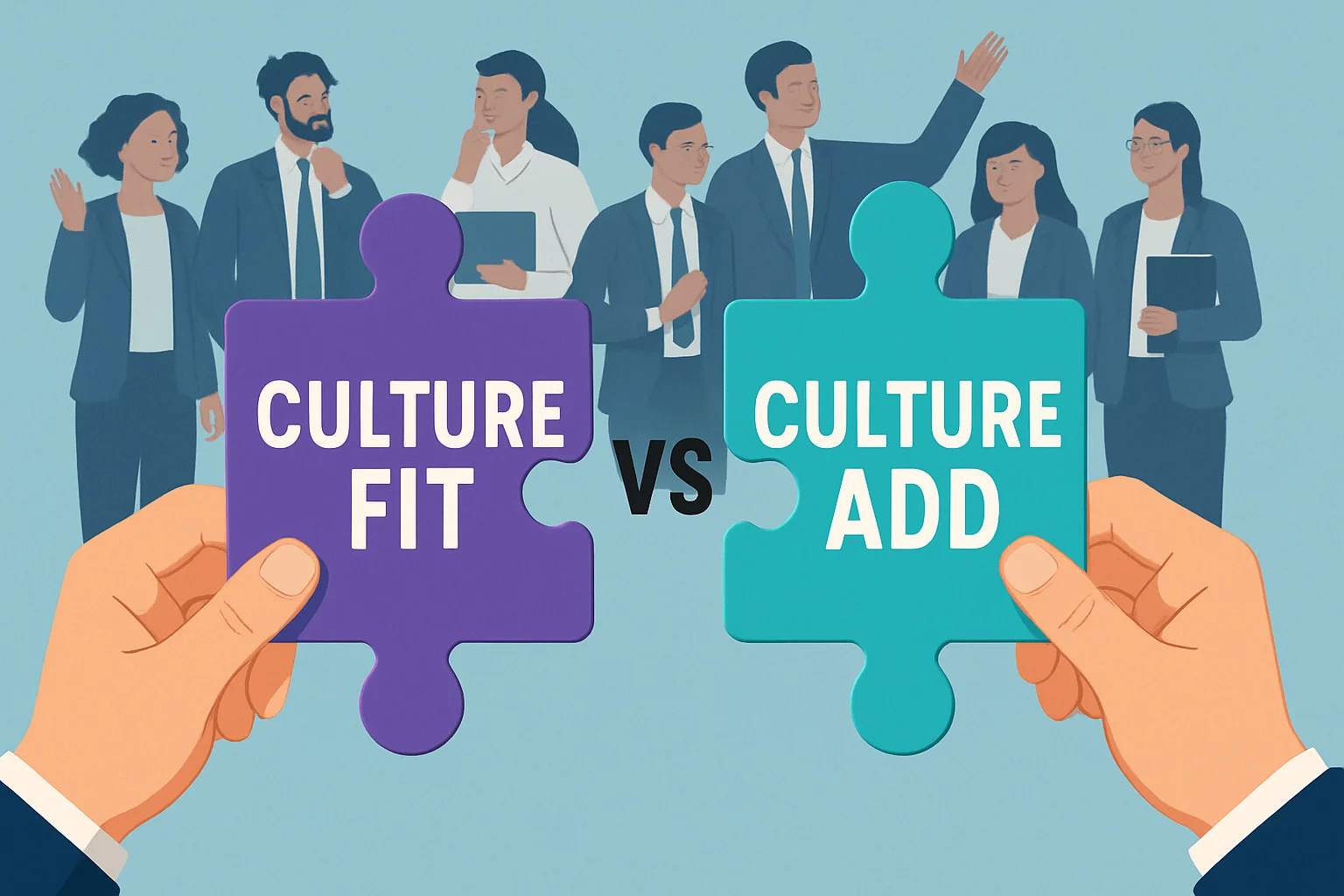
Hiring is not just about filling positions. It is about shaping organizational capability, culture, and long-term business performance. Yet many organizations unknowingly operate under outdated assumptions about candidate management. These myths slow hiring, increase turnover, inflate recruitment costs, and weaken employer brand credibility. At Talent Potential Consulting, we believe in redefining People Business — walking the path from gaps to greatness through strategic talent alignment . To help you evaluate your hiring strategy, we’ve designed an interactive quiz that challenges common misconceptions in candidate management. Let’s test your hiring intelligence. Candidate Management Quiz: Myth or Fact? For each statement, decide: A – Myth B – Fact Then review the strategic insight below. Myth #1: “If the salary is competitive, candidates will overlook a poor hiring experience.” Correct Answer: Myth Compensation may attract candidates. Experience determines whether they accept — and whether they stay. Modern candidate management goes beyond salary benchmarking. High-performing organizations focus on: Transparent communication Clear role expectations Structured interviews Timely feedback Respect for candidate time A weak candidate experience damages employer reputation and reduces offer acceptance rates. It also impacts long-term engagement. Candidate experience is no longer an HR activity. It is a brand strategy. Myth #2: “A large applicant pool means your hiring strategy is working.” Correct Answer: Myth Volume is not a success metric. Precision is. An influx of applications does not equal effective talent acquisition. What truly matters is: Qualified applicant ratio Time-to-shortlist Offer acceptance rate Quality of hire 90-day retention According to leading HR metrics frameworks , talent acquisition must connect to measurable business outcomes. Strategic recruitment focuses on the right candidates — not just more candidates. Myth #3: “Speed is more important than cultural alignment.” Correct Answer: Myth Speed matters. But misalignment is expensive. A rushed hire often leads to: Early attrition Productivity gaps Team friction Increased replacement costs The cost of a bad hire can be substantial — affecting performance, morale, and financial outcomes. Effective candidate management balances: Skill fit Culture add (not just culture fit) Growth potential Leadership alignment At Talent Potential Consulting, our recruitment methodology emphasizes evaluation, execution, and engagement to ensure long-term hiring success . Myth #4: “Candidate management ends once the offer letter is signed.” Correct Answer: Myth The offer letter is the beginning — not the end. Pre-boarding and onboarding significantly influence: Time-to-productivity Early engagement levels Retention probability Cultural integration Organizations that treat onboarding as part of candidate management see stronger engagement outcomes and lower early turnover. Hiring is a lifecycle strategy — not a transactional event. Myth #5: “Automation reduces the human touch in recruitment.” Correct Answer: Myth Automation enhances efficiency — when used strategically. Modern HR automation enables: Faster resume screening Structured interview workflows Data-driven hiring decisions Predictive analytics for retention The key is balance. Technology should eliminate inefficiency, not empathy. When automation supports recruiters, it frees them to focus on relationship-building — the true differentiator in candidate management. Why Candidate Management Strategy Matters More Than Ever Organizations that treat candidate management strategically gain measurable advantages: Higher quality of hire Reduced turnover Stronger employer brand Improved workforce planning Lower cost-per-hire Effective candidate management connects directly to core HR metrics such as turnover, engagement, workforce cost, and productivity . Hiring decisions influence: Revenue per employee Team performance Organizational culture Long-term sustainability It is not just about filling a role. It is about enabling business growth. How to Strengthen Your Candidate Management Process Map the Candidate Journey Audit every touchpoint from application to onboarding. Most organizations optimize interviews — but forget to optimize the experience. Candidate management begins long before the interview and extends well beyond the offer letter. Mapping the candidate journey allows you to identify friction points, communication gaps, and brand inconsistencies. Start by documenting every stage: Job discovery (career page, LinkedIn, referrals) Application process (length, complexity, user experience) Screening and shortlisting timelines Interview structure and clarity Feedback loop efficiency Offer communication Pre-boarding engagement First 90-day onboarding experience Ask critical questions: How long does a candidate wait between stages? Is communication proactive or reactive? Do candidates clearly understand expectations? Is the employer value proposition consistently communicated? When organizations map the candidate journey, they often discover that delays, unclear messaging, and lack of transparency are quietly eroding offer acceptance rates. Strategic candidate journey mapping improves: Candidate experience Employer branding Conversion rates Early engagement Hiring is not a process flow. It is a perception journey. Track Strategic Talent Acquisition Metrics Measure quality of hire, retention at 90 days, and hiring manager satisfaction. You cannot improve what you do not measure. Many companies track basic recruitment metrics like time-to-hire and cost-per-hire. While useful, these are operational indicators — not strategic ones. To optimize your hiring strategy, focus on outcome-driven metrics such as: ✔ Quality of Hire Performance ratings within first 6–12 months Achievement of early KPIs Cultural integration Leadership feedback ✔ 90-Day Retention Rate Early attrition is one of the strongest indicators of hiring misalignment. If employees leave within the first three months, it signals: Mismatch in role expectations Cultural misfit Poor onboarding experience Inadequate pre-hire communication ✔ Hiring Manager Satisfaction Are managers confident in the talent pipeline? Do new hires meet productivity expectations? Strategic talent acquisition connects recruitment to business performance — not just vacancy closure. When hiring metrics are aligned with productivity, engagement, and retention data, recruitment becomes a business growth lever rather than an administrative function. 3️⃣ Align Hiring with Workforce Planning Integrate recruitment strategy with long-term business goals. Reactive hiring creates instability. Strategic organizations integrate talent acquisition with workforce planning and business forecasting. Instead of asking: “Who do we need now?” Ask: “What capabilities will drive our growth in the next 12–24 months?” Effective workforce-aligned hiring involves: Forecasting future skill requirements Identifying leadership pipeline gaps Assessing succession risks Evaluating organizational structure Anticipating market shifts This approach prevents: Urgent last-minute hiring Overstaffing or understaffing Skills mismatches Budget inefficiencies When hiring is aligned with business strategy, organizations gain: Greater agility Stronger leadership continuity Sustainable workforce cost management Improved organizational resilience Recruitment should support strategy —

tpc_admin February 9, 2026 No Comments

Remote Work ROI: The Numbers Leaders Need to See

Remote work has shifted from a temporary experiment to a strategic imperative. As organizations rethink workplace models post‑pandemic, one question repeatedly rises to the top of every leadership agenda: What’s the return on investment (ROI) of remote work? This isn’t about buzzwords or trends — it’s about quantifiable impact on productivity, talent retention, operational efficiency, and bottom‑line financial outcomes. In this blog, we break down the numbers leaders need to see to make informed decisions about remote work strategies. What Does Remote Work ROI Really Mean? Return on investment (ROI) in the context of remote work examines the value generated versus the costs incurred when implementing and maintaining remote or hybrid work models. Costs may include technology, communication tools, training, cybersecurity, and facilities adjustments. Value comes in the form of increased employee productivity, lower turnover, real estate savings, and a broader talent pool. Understanding ROI helps leaders justify remote work policies not just as a perk — but as a measurable driver of business performance. Productivity: More Than Just Hours Worked A common myth early in the shift to remote work was that employees would be less productive outside the office. However, numerous studies and business reports have shown the opposite: remote work often boosts productivity. When employees work remotely, they typically save time on commuting, have fewer workplace distractions, and can create personalized work environments that suit their rhythms. Metrics commonly used to assess productivity gains include: Task completion rates Output per hour Reduction in absenteeism Employee engagement scores For example, many companies report that remote teams accomplish the same amount of work or more in fewer hours compared to traditional office settings. Even flexible or hybrid remote models have shown significant productivity improvements, especially when teams leverage asynchronous communication and smart collaboration tools. If productivity increases by even a modest percentage across a large workforce, the cumulative impact on business outcomes can be substantial — often translating into higher revenue or faster time‑to‑market.   Cost Savings: Real Estate and Beyond One of the most straightforward components of remote work ROI is operational cost savings, especially in real estate. Office space is expensive: leases, utilities, cleaning services, maintenance, and associated overhead can eat into annual budgets. Allowing staff to work remotely — even part of the time — reduces the space needed and the costs tied to it. Cost categories where remote work drives savings include: Office lease and property expenses Utilities (electricity, water, HVAC) Facility management and cleaning Office supplies and equipment replenishment Business travel and related allowances Real estate savings alone can represent a multi‑million‑dollar advantage for mid‑ to large‑sized organizations. Even for smaller companies, reducing space requirements can free up capital for strategic investments in digital transformation, employee development, and innovation. These savings are not theoretical — many organizations that transitioned to hybrid or remote models reported double‑digit reductions in annual operating expenses tied to physical infrastructure. Talent Acquisition and Retention: A Broader Talent Pool Remote work fundamentally changes the talent marketplace. Instead of hiring from the pool of candidates willing to relocate or commute daily, companies can source talent globally. This vastly expands the talent pipeline and gives employers access to highly specialized skill sets that may be scarce locally. Key impacts on talent acquisition and retention include: Faster hiring cycles due to larger candidate pools Improved diversity and inclusion outcomes Lower recruiting and relocation costs Higher offer acceptance rates Better long‑term employee retention Retention is directly tied to ROI. Hiring and training new employees is costly. Studies show that employee turnover can cost employers anywhere from 50% to 200% of a departing employee’s annual salary. Remote work flexibility has become a powerful differentiator: employees who enjoy a better work–life balance tend to stay longer, reducing turnover costs and preserving institutional knowledge. When workers feel trusted to manage their time and tasks, engagement rises — and engaged employees are significantly less likely to leave. Employee Well‑Being and Engagement: Tangible Business Value Well‑being isn’t just a feel‑good metric — it’s a business outcome. Remote work can improve well‑being by reducing stress related to commuting, allowing more flexible scheduling, and giving employees autonomy over their work environment. The ROI link to well‑being includes: Lower absenteeism Higher engagement scores Reduced healthcare costs over time Better morale and team cohesion Engagement surveys consistently show that employees who feel supported in flexible work models are more likely to report higher job satisfaction, better alignment with company goals, and stronger commitment to organizational success. These factors translate into measurable business value: engaged teams make fewer errors, innovate more, and deliver higher customer satisfaction. Technology Investment: Costs and ROI Remote work depends on technology — laptops, collaboration platforms, security tools, VPNs, cloud systems, and more. While these investments are often cited as costs, they are also enablers of long‑term ROI. Remote work technologies contribute to: Faster communication and decision‑making Enhanced collaboration across locations Real‑time tracking of work progress Improved data security posture when configured well Automation of routine tasks Rather than viewing technology expenses as overhead, forward‑thinking leaders treat them as productivity infrastructure that scales with the business. Measuring Remote Work ROI: What Leaders Should Track To evaluate remote work ROI meaningfully, leaders should establish consistent metrics across financial, operational, and human capital domains: Financial Metrics Real estate cost savings Reduced travel expenses Changes in employee benefits expenditure Operational Metrics Productivity levels (output per hour) Project delivery timelines Collaboration tool usage and effectiveness Talent Metrics Time‑to‑hire and quality of hire Employee retention and turnover rates Offer acceptance and candidate satisfaction Well‑Being Metrics Employee engagement survey scores Absenteeism and PTO usage Healthcare claim trends (where available) A comprehensive ROI analysis doesn’t look at a single number, it synthesizes multiple data points to tell a holistic story about workforce performance and organizational health. Real Results: What Leading Organizations Are Finding Companies that have embraced remote or hybrid models are reporting consistent themes: Sustained or increased productivity Significant cost savings Broader access to global talent Higher employee satisfaction scores Lower turnover rates Some organizations

tpc_admin February 2, 2026 No Comments

Build Your Dream Candidate Pipeline

Building a dream candidate pipeline is no longer a luxury, it’s a strategic necessity. The ability to attract, engage, and retain top talent consistently gives organizations a significant competitive edge. A robust candidate pipeline allows HR teams and talent acquisition leaders to proactively source, nurture, and prepare high-potential candidates for future opportunities, before roles even open. This shift from reactive to proactive hiring not only reduces time-to-hire dramatically but also enhances the quality of hire, improves diversity outcomes, and strengthens employer brand perception in the talent market. What Is a Candidate Pipeline? At its core, a candidate pipeline is a pre-qualified pool of potential hires. These individuals have been sourced, screened, and engaged in advance of a specific job opening. They may include passive candidates who aren’t actively looking for a role, internal talent poised for growth, company alumni, referred professionals, and individuals previously connected through employer branding campaigns or industry events. Unlike traditional recruiting where the process starts after a vacancy occurs, candidate pipelines ensure a steady flow of talent ready to step in when opportunities arise. Why Your Talent Strategy Needs a Pipeline Approach 1. Reduces Time-to-Hire When you have pre-engaged candidates already within your ecosystem, you eliminate the lag typically associated with advertising roles, waiting for applications, and starting the sourcing process from scratch. Companies with mature candidate pipelines can hire up to 50% faster than those without one. 2. Boosts Quality of Hire By building relationships with potential candidates over time, you gain deeper insight into their competencies, cultural alignment, and long-term fit. This leads to better hiring decisions and reduces the chances of mis-hires. 3. Enhances Candidate Experience Candidates who are engaged with your brand even before they apply feel valued, informed, and respected. This continuous, relationship-based engagement creates a positive and seamless experience. Step-by-Step: How to Build Your Dream Candidate Pipeline Step 1 — Define Your Talent Needs Start by forecasting your hiring goals over the next 6 to 12 months. Which roles will be most strategic? What skills are hardest to recruit for? Conduct a comprehensive workforce planning and skills gap analysis. Collaborate with business leaders to align on future demands. Step 2 — Create Talent Personas These are fictional representations of your ideal candidates. Include not just technical skills and qualifications, but also soft skills, career motivators, and preferred communication channels. Step 3 — Source Strategically Move beyond job boards: Use LinkedIn and niche platforms for passive candidates Activate employee referrals Join industry communities Attend virtual or in-person events Leverage alumni networks Step 4 — Nurture Relationships A pipeline isn’t a static list — it’s a relationship. Keep candidates engaged with: Newsletters Webinars Insights and career advice Personalized messages that show you care Step 5 — Leverage Technology Use tools like ATS and TRM systems to automate: Candidate segmentation Email workflows Engagement tracking This frees up recruiters to focus on building genuine connections. Step 6 — Track and Improve Measure: Pipeline conversion rates Engagement scores Retention of pipeline hires Use insights to adjust sourcing methods, improve messaging, and optimize engagement. Best Practices for Talent Pipeline Success Align With Employer Brand Make sure your EVP (Employer Value Proposition) clearly communicates why someone should want to work for you. Let your values and purpose shine across all touchpoints. Invest in Candidate Experience Keep communication timely, transparent, and respectful. Offer feedback, even when not hiring. Build goodwill with every interaction. Build Diverse Pipelines Focus on inclusive sourcing strategies. Engage with underrepresented communities and ensure your pipeline reflects your DEI goals. Conclusion Building a dream candidate pipeline is a long-term investment in organizational success. It’s not just about filling vacancies, it’s about future-proofing your workforce. With clear talent needs, strong personas, strategic sourcing, and ongoing engagement, your hiring becomes not only faster, but smarter. At Talent Potential Consulting, we help organizations build future-ready pipelines that drive impact, not just in metrics, but in mindset. Let’s turn your recruitment into a relationship-first strategy. Frequently Asked Questions Why is building a candidate pipeline better than traditional recruitment? Traditional recruitment is reactive — it starts only when a vacancy arises, leading to rushed decisions, longer time-to-fill, and mismatches. On the other hand, building a candidate pipeline is proactive. It allows you to engage high-potential talent ahead of time, ensuring faster hiring, better cultural fit, and reduced cost-per-hire. How long does it take to see results from a candidate pipeline strategy? While it varies by industry and role type, most organizations begin seeing tangible benefits within 3–6 months of consistent pipeline efforts. The key is to focus on regular engagement, segmentation, and tracking. With the right strategy and tools, it becomes a long-term asset for sustained hiring success.

tpc_admin January 26, 2026 No Comments

The Silent Decline: Quiet Quitting

Quiet quitting is the subtle form of disengagement that has been making headlines lately. But it’s not about employees literally quitting their jobs—it’s about the gradual erosion of enthusiasm. Quiet quitters are employees who no longer go above and beyond, sticking strictly to the responsibilities outlined in their job descriptions. They clock in, do their work, and clock out. No more, no less. This type of disengagement is hard to notice at first, but the effects can be long-lasting. Over time, it leads to decreased productivity, lower innovation, and an overall lack of initiative. You’ll see them sticking to their scheduled hours, avoiding extra work, and potentially increasing absenteeism. What causes quiet quitting? Often, it boils down to poor leadership, lack of recognition, or role mismatches. 70% of employees report that poor leadership is a driving force behind this disengagement. The Noise of Discontent: Loud Leaving On the flip side, loud leaving is the more dramatic, vocal form of employee disengagement. These are the employees who don’t just leave quietly—they make their dissatisfaction known to everyone around them. They may post about it on social media, complain publicly to colleagues, or leave a scathing exit interview. Loud quitting isn’t just about walking away; it’s about airing grievances loudly and disruptively. This type of exit is usually more disruptive to a team. It can impact morale, trigger gossip, and create tension among remaining staff. Furthermore, if the employee is well-known in the company, their public complaints could lead to others following suit, eventually causing a ripple effect that leads to further resignations and high turnover costs. Research has shown that each resignation costs a company 6 to 9 months of the replaced employee’s salary. Key Differences Between Quiet Quitting and Loud Leaving Visibility: Quiet quitting is subtle and often goes unnoticed in the short term. Loud leaving, on the other hand, is overt and disruptive. Impact: Quiet quitting erodes productivity and innovation slowly. Loud leaving has an immediate effect on team morale and can increase turnover quickly. Response: Quiet quitters need proactive engagement and regular check-ins. Loud leavers often require direct intervention, honest conversations, and sometimes a culture shift. Understanding the Causes Behind These Trends The causes behind both quiet quitting and loud leaving often boil down to common organizational issues, including: Leadership Failures: Gallup’s data highlights that poor leadership is a major contributor to disengagement. Without a supportive leader, employees feel undervalued and disconnected from the company’s mission. Mismatch of Roles: Employees may feel their skills and aspirations don’t align with their daily tasks. This creates frustration and a sense of stagnation. Lack of Trust: Whether it’s distrust in management or the company’s values, employees need a sense of security and faith in their organization’s mission. Addressing these issues early can help reduce the risk of quiet quitting or loud leaving. How HR Can Address Quiet Quitting and Loud Leaving For Quiet Quitting: Monitor Performance: Keep an eye on declining engagement or performance metrics. Encourage managers to hold regular one-on-one check-ins to gauge employee morale. Foster Engagement: Reignite passion by offering new challenges, recognition, and growth opportunities. Provide Support: Encourage open conversations about workload and career aspirations. If an employee feels stuck, it’s time to offer a path for change. For Loud Leaving: Have Candid Conversations: When you sense a potential loud leaver, engage them in an honest dialogue. Understand their frustrations and seek solutions before the situation escalates. Implement Change: Often, loud leaving is a result of deep-rooted dissatisfaction. Make necessary changes in leadership, culture, or policy to address those concerns. Focus on Retention: Once you address an issue that prompts a loud quitter to speak out, focus on retaining the remaining employees by fostering a transparent and supportive workplace culture. Proactive HR Strategies for Preventing Both Employee Monitoring Tools: Leverage technology to track performance and employee sentiment. Tools that measure employee engagement, sentiment, and performance can help identify issues before they become severe. Create an Inclusive Culture: Build a workplace where employees feel heard, valued, and empowered to contribute more than the minimum. Foster open communication, trust, and recognition. Invest in Leadership Development: Train your leaders to recognize the signs of disengagement early and provide the necessary support to keep employees engaged. FAQs About Quiet Quitting and Loud Leaving Q1: How can I identify quiet quitters in my organization? Quiet quitters may exhibit behaviors like sticking strictly to their job description, reduced engagement, and increased absenteeism. Regular check-ins and performance reviews are key to spotting these signs early. Q2: What should I do if an employee is loud quitting? Engage in open and candid conversations to understand their grievances. Address the underlying issues and work towards a solution that benefits both the employee and the company. Q3: How can HR prevent employee disengagement in the first place? Foster a positive work culture, provide regular feedback, ensure leadership is supportive, and offer growth opportunities to prevent disengagement from occurring.

tpc_admin January 18, 2026 No Comments

The 4-Day Work Week: Trend or Future of Work?

In 2025, the 4-day work week emerged as a game-changing trend that promises to redefine how we approach productivity and well-being in the workplace. Originally piloted by forward-thinking organizations, it has gained traction globally, with countries like the UK, Japan, and Australia conducting widespread trials. Could this flexible working model be the future of work? Or is it just another passing trend? Key Benefits of the 4-Day Work Week The benefits of reducing the workweek from five to four days go beyond just more time for leisure. Studies across multiple organizations have demonstrated profound effects on employee well-being and company performance. According to research involving 141 organizations in six countries, employees report feeling less burnout, experiencing better mental and physical health, and having higher job satisfaction, all without a pay cut. Perhaps even more striking is the productivity boost. In some trials, productivity increased by up to 65%, due to more focused workdays and less employee fatigue. This model has also improved employee retention rates. Companies that have adopted the 4-day work week have reported a significant reduction in absenteeism (by up to 40%) and a near-perfect retention rate of 95%. Adoption Trends: A Growing Shift By 2025, more than 200 global companies, including giants like Panasonic and Wildbit, had adopted the 4-day work week permanently. Countries around the world, including Australia, Canada, and Japan, have launched government-backed trials. The tech and manufacturing sectors are particularly receptive to this shift, as their use of workflow technology and HR tools like async communication platforms facilitates the transition. HR technology plays a key role in this transformation. Asynchronous tools and optimized scheduling make it easier for companies to manage operations without expecting employees to work traditional 9-to-5 hours, thus enabling a more flexible, productive environment. Challenges to Widespread Adoption However, the transition is not without challenges. Industries with more rigid operations, like manufacturing or those reliant on physical presence, face cultural resistance and logistical hurdles. Process redesigns and new systems may be necessary to accommodate this shift. Additionally, organizations need to manage output expectations. While a 4-day work week offers benefits, it requires that employees maintain productivity levels comparable to what they’d achieve over five days. Ensuring this balance while tracking key performance indicators (KPIs) like employee engagement and workload metrics is crucial for success. HR Implementation: How to Get Started For HR leaders looking to implement a 4-day work week, starting small is key. Here’s a step-by-step approach: Pilot Program: Begin by piloting the 4-day work week with one team for 30 days, carefully tracking productivity and engagement metrics. Use HR Tech: Leverage HR tech platforms for async communication, performance tracking, and workload audits to maintain focus and avoid burnout. Align with Well-Being Goals: Use regular surveys to gauge employee sentiment and burnout levels, making sure the model is sustainable long-term. Iterate and Scale: Based on feedback and metrics from the pilot, refine the approach before scaling it to other teams or departments. Frequently Asked Questions Q: Will the 4-day work week reduce my pay? Not necessarily. Many companies that have adopted this model do so without cutting pay. Studies suggest that the increase in productivity compensates for the reduced workdays. Q: How do companies measure productivity in a 4-day work week? Companies track productivity through output, project completion rates, and employee satisfaction metrics. With the right tools, companies can maintain or even increase productivity with fewer work hours. Q: Is this model suitable for all industries? While tech and knowledge-based industries have embraced the 4-day work week, sectors like manufacturing may face logistical challenges. The model works best where workflow technology and flexible scheduling are feasible.

tpc_admin January 12, 2026 No Comments

Gen Z at Work: What They Want (And What You’re Getting Wrong)

The workplace landscape has seen drastic changes over the past decade. With the rise of Gen Z, the generation born roughly between 1997 and 2012, many businesses are struggling to adapt to their distinct approach to work. In 2026, it’s clear that these young workers are not only shaking up office culture but are also demanding more than their predecessors. As businesses continue to navigate how to retain and engage Gen Z employees, it’s essential to understand what they truly want, and, just as importantly, what employers are getting wrong. What Gen Z Wants Meaningful Work and Career Progression For Gen Z, it’s not about the paycheck (though fair compensation is important); it’s about the work itself. This generation places a high value on meaning and purpose in their careers. According to recent studies, 80% of Gen Z employees prefer to work for companies that align with their values. They want to contribute to something bigger than just making a profit, whether it’s environmental sustainability, social justice, or innovation. Gen Z also demands clear career progression. They want skill-building opportunities and the chance to take lateral moves within organizations to diversify their experience. In fact, 75% of them are more likely to pursue lateral career moves compared to their Millennial counterparts. Unlike older generations, they’re not waiting for traditional hierarchical promotions; instead, they crave versatility and constant growth. Regular, Actionable Feedback Gone are the days of the annual performance review. Gen Z has grown up with instant access to feedback, thanks to social media and real-time communication platforms. As a result, they expect regular, actionable feedback in the workplace. They’re eager to learn and grow, but they need more than just a yearly evaluation to do so. Regular check-ins, ongoing mentoring, and actionable guidance are all essential components for keeping them engaged. Work-Life Balance and Flexibility The traditional 9-to-5 workday is fast becoming a relic of the past, especially for Gen Z. More than any previous generation, they prioritize flexibility in their work schedules. Whether it’s the ability to work remotely, adjust their hours, or manage their workload in a way that suits their personal life, Gen Z values the freedom to design their workdays. In fact, offering flexible hours, mental health support, and remote work options are essential for retaining these workers. What Employers Are Getting Wrong Labeling Them as Lazy or Entitled One of the most common misconceptions about Gen Z is that they are lazy or entitled. This stereotype stems from the younger generation’s focus on efficiency and work-life balance, which can be misunderstood as a lack of dedication. However, Gen Z is actually incredibly results-driven and tech-savvy. They leverage AI and instant information access to complete tasks efficiently and with greater accuracy. They’re not avoiding hard work; they’re simply working smarter, not harder. Overemphasis on Perks Instead of Growth Opportunities Traditional perks, like free snacks or fancy offices, aren’t enough to keep Gen Z satisfied. They’re not looking for superficial benefits; they want to know how they can grow and develop in their roles. If employers focus too much on perks and fail to provide opportunities for learning and advancement, they risk alienating these high-ambition employees. Gen Z employees want to see a clear path for advancement and the chance to gain new skills, not just a stack of perks. Ignoring Their Desire for Transparency and Purpose Gen Z is the most transparent and socially aware generation to date. They expect their employers to be transparent about company decisions, the impacts of their work, and how their personal contributions tie into the organization’s larger goals. They want to work for companies that take a stand on social and environmental issues and provide purpose-driven roles that align with their personal values. Failure to meet these expectations can lead to disengagement and high turnover rates. How Employers Can Adapt Embrace Flexibility and Transparency Offer a flexible work environment, whether it’s remote options, flexible hours, or the ability to design their own workdays. Gen Z is seeking transparency in all aspects of their employment, from company goals to pay structures. Open, honest communication builds trust and enhances employee retention. Focus on Development, Not Just Perks Provide regular opportunities for skill-building and career progression. Gen Z wants to feel that they’re advancing, not just working. Consider offering mentorship programs, cross-departmental projects, and leadership training to keep them engaged. Additionally, companies should rethink how they measure performance—regular, real-time feedback is more beneficial than a once-a-year review. Cultivate a Purpose-Driven Culture Foster a company culture that prioritizes purpose and aligns with Gen Z’s values. This includes social and environmental responsibility, diversity and inclusion, and a strong sense of community. Companies that prioritize these values are more likely to attract and retain top Gen Z talent. Frequently Asked Questions Q1: What is the most important factor for Gen Z when considering a job? A1: Gen Z places a high priority on meaningful work and career progression. They seek opportunities where they can contribute to something larger than themselves, whether that’s through social impact or personal growth. Q2: How can employers avoid the misconception that Gen Z is lazy? A2: Employers should recognize that Gen Z values efficiency and works smarter, not harder. They are results-driven and use technology to improve productivity. Employers should focus on recognizing their contributions and providing growth opportunities. Q3: What kind of work environment does Gen Z prefer? A3: Gen Z prefers a flexible work environment that offers work-life balance, remote work options, and mental health support. They also thrive in transparent, purpose-driven cultures where their values align with the company’s mission.